
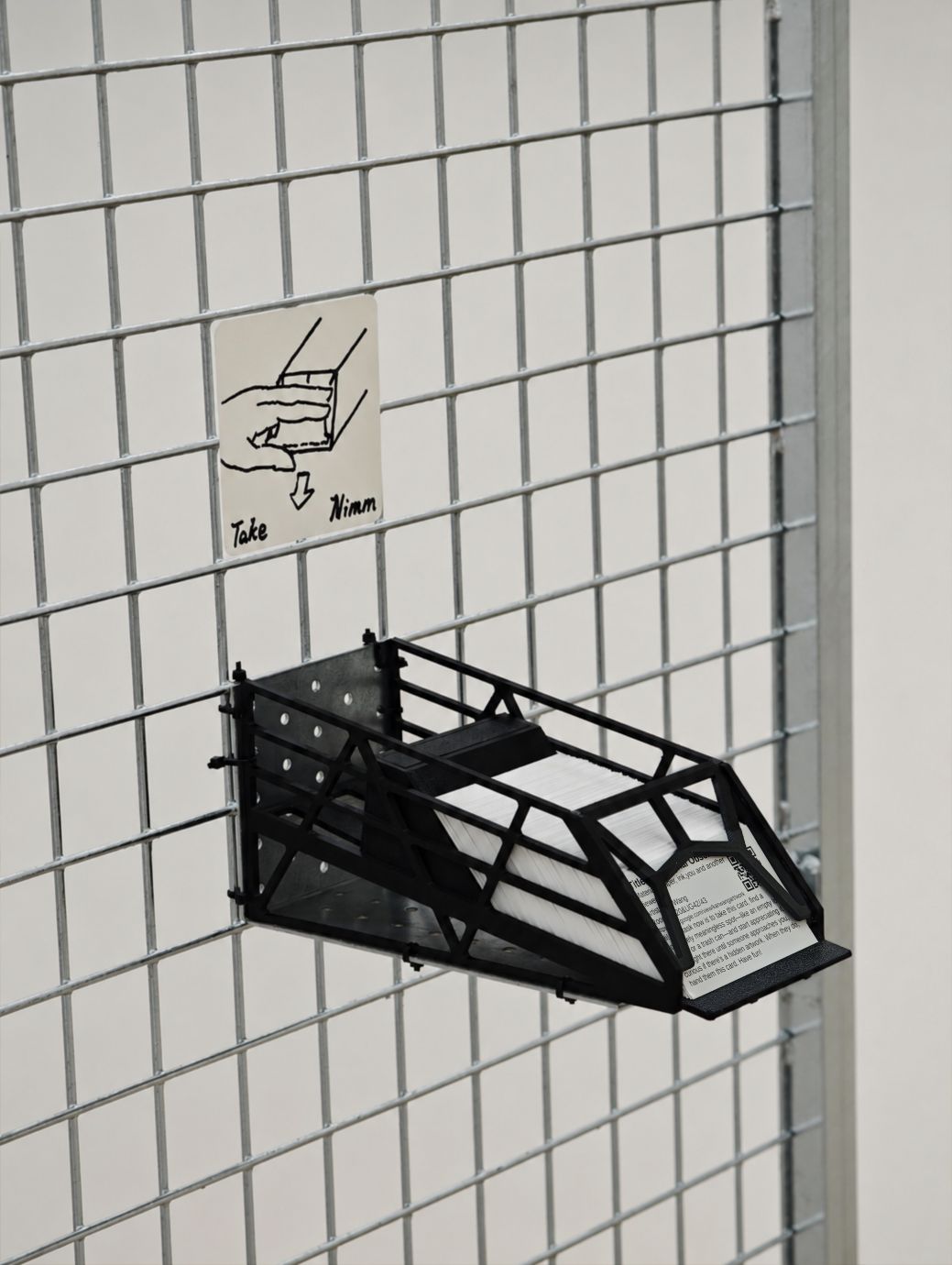
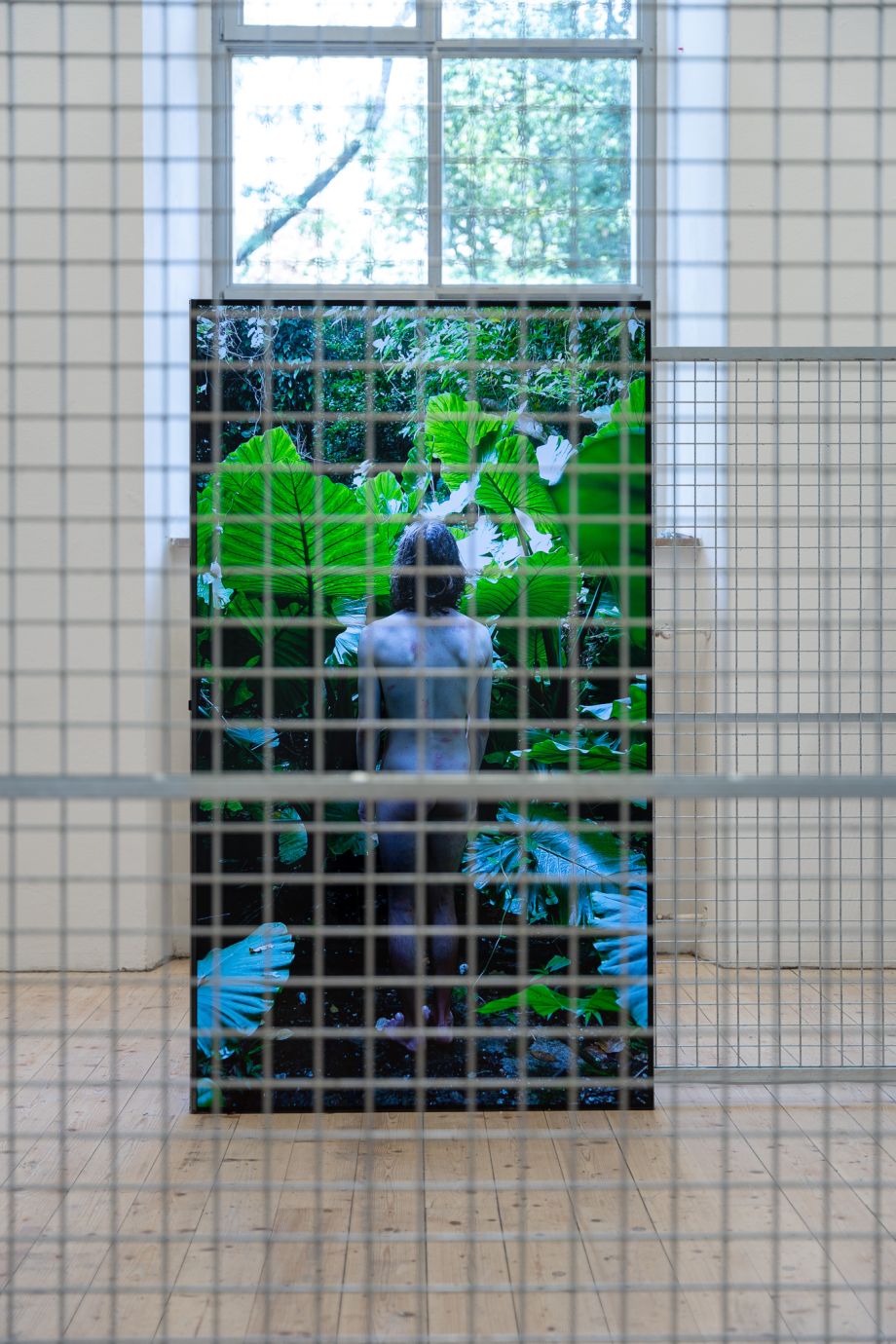
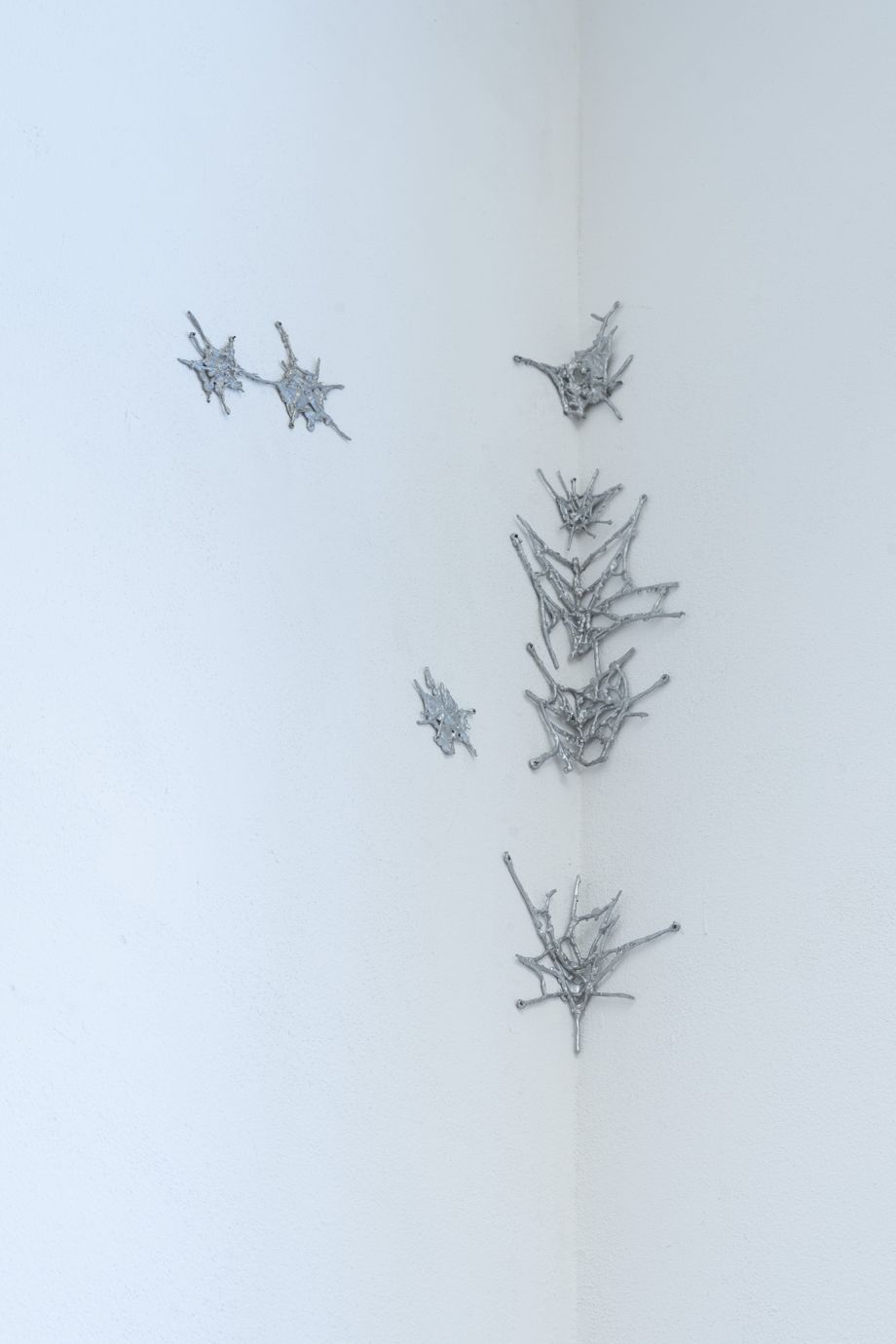
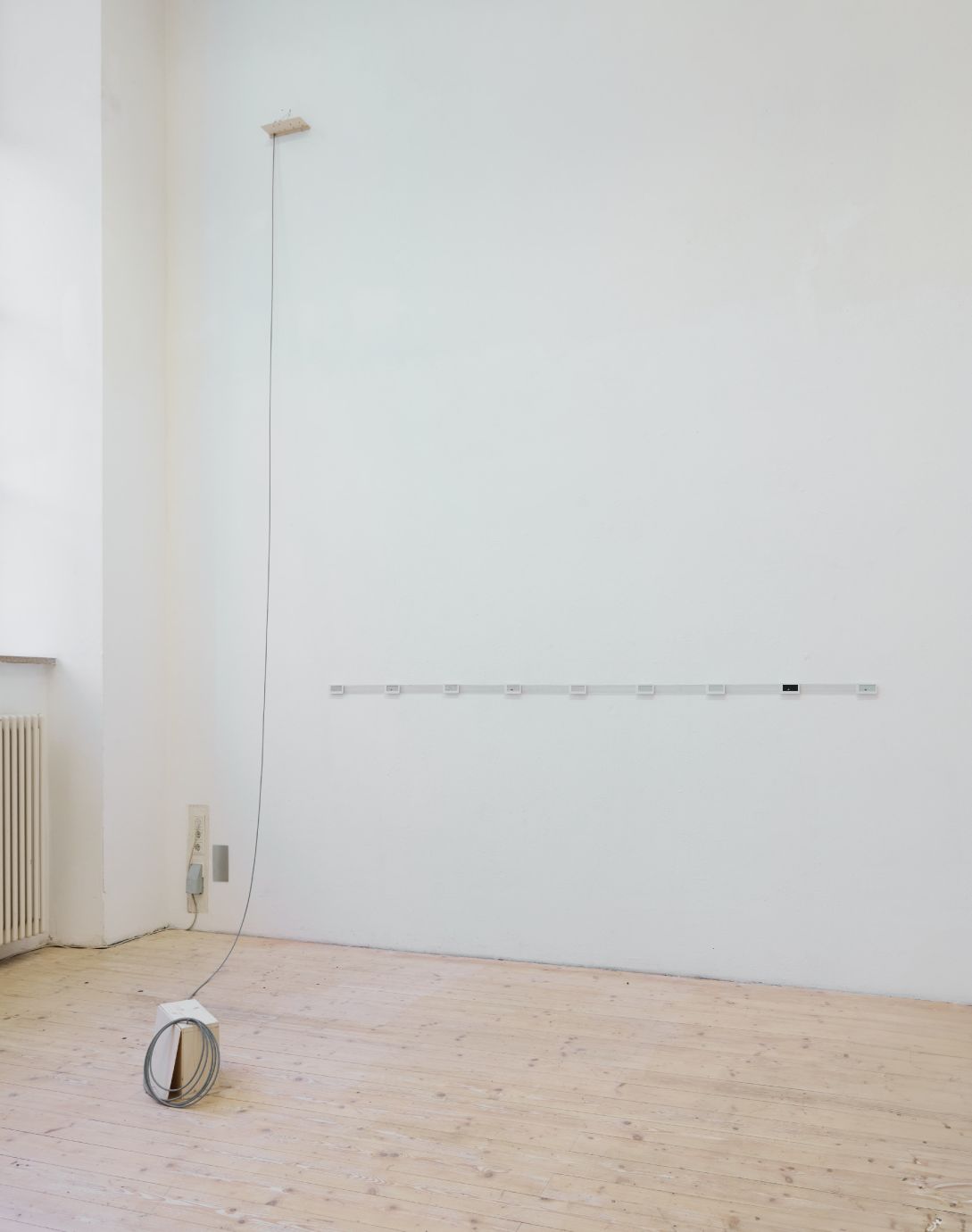
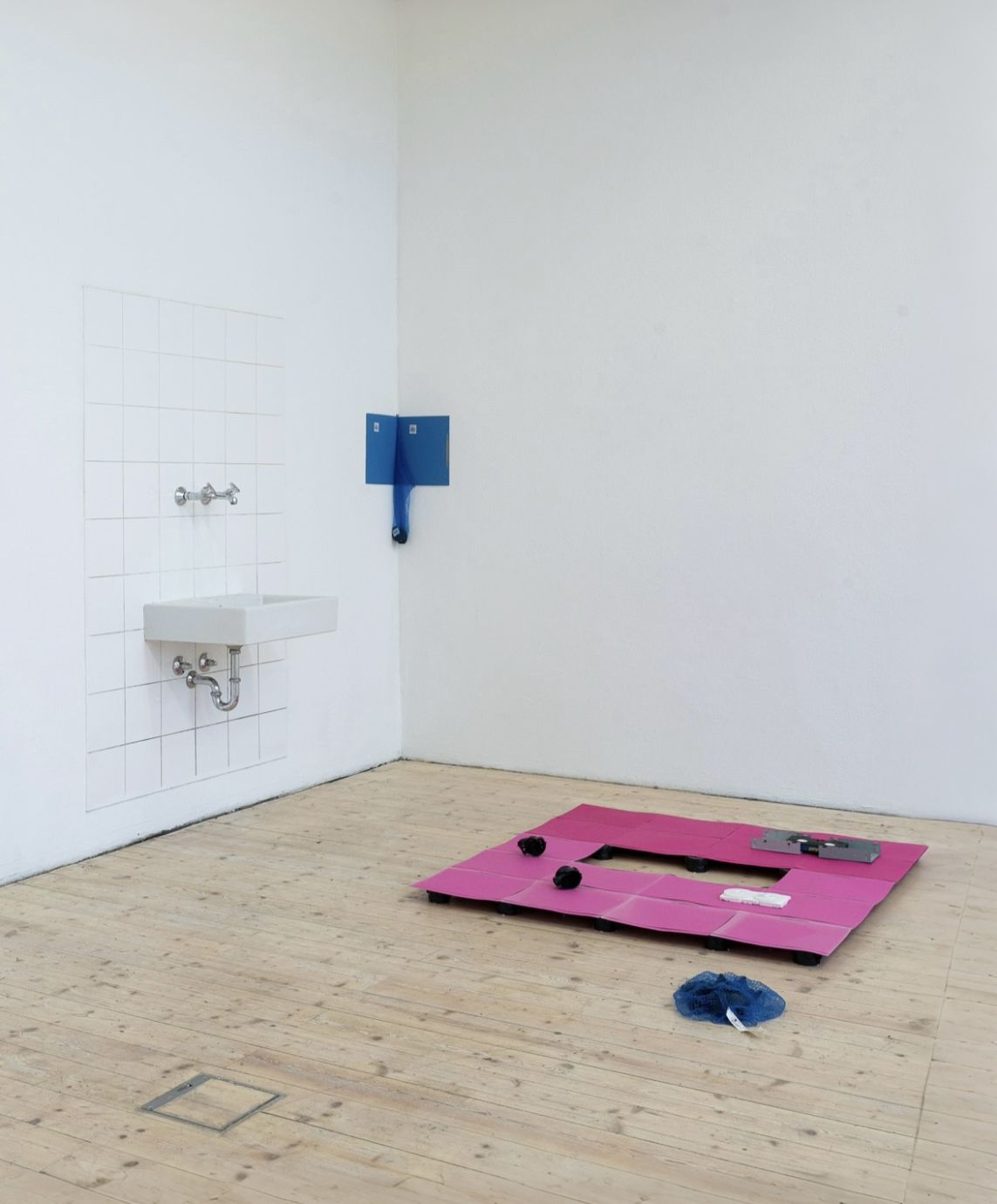
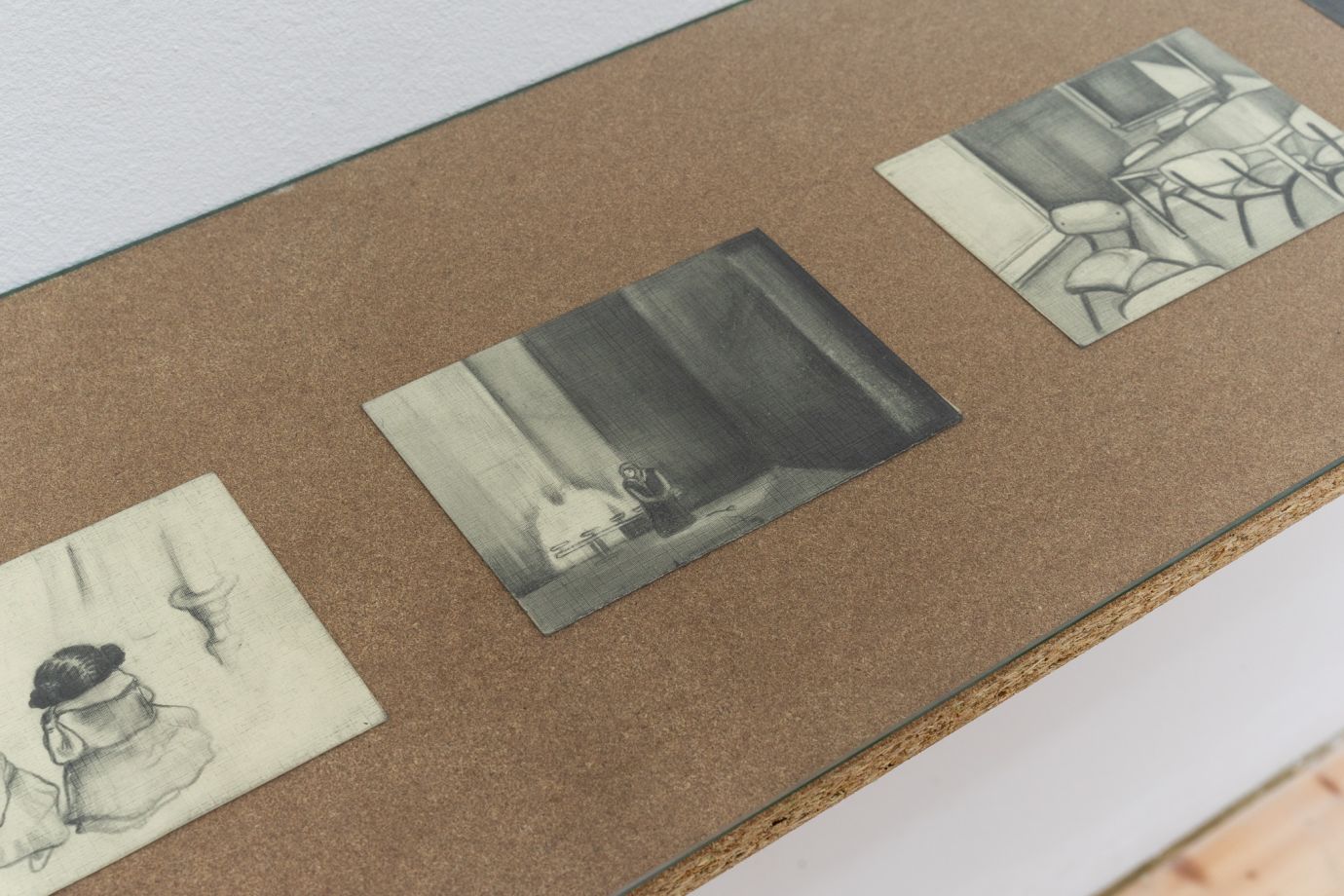
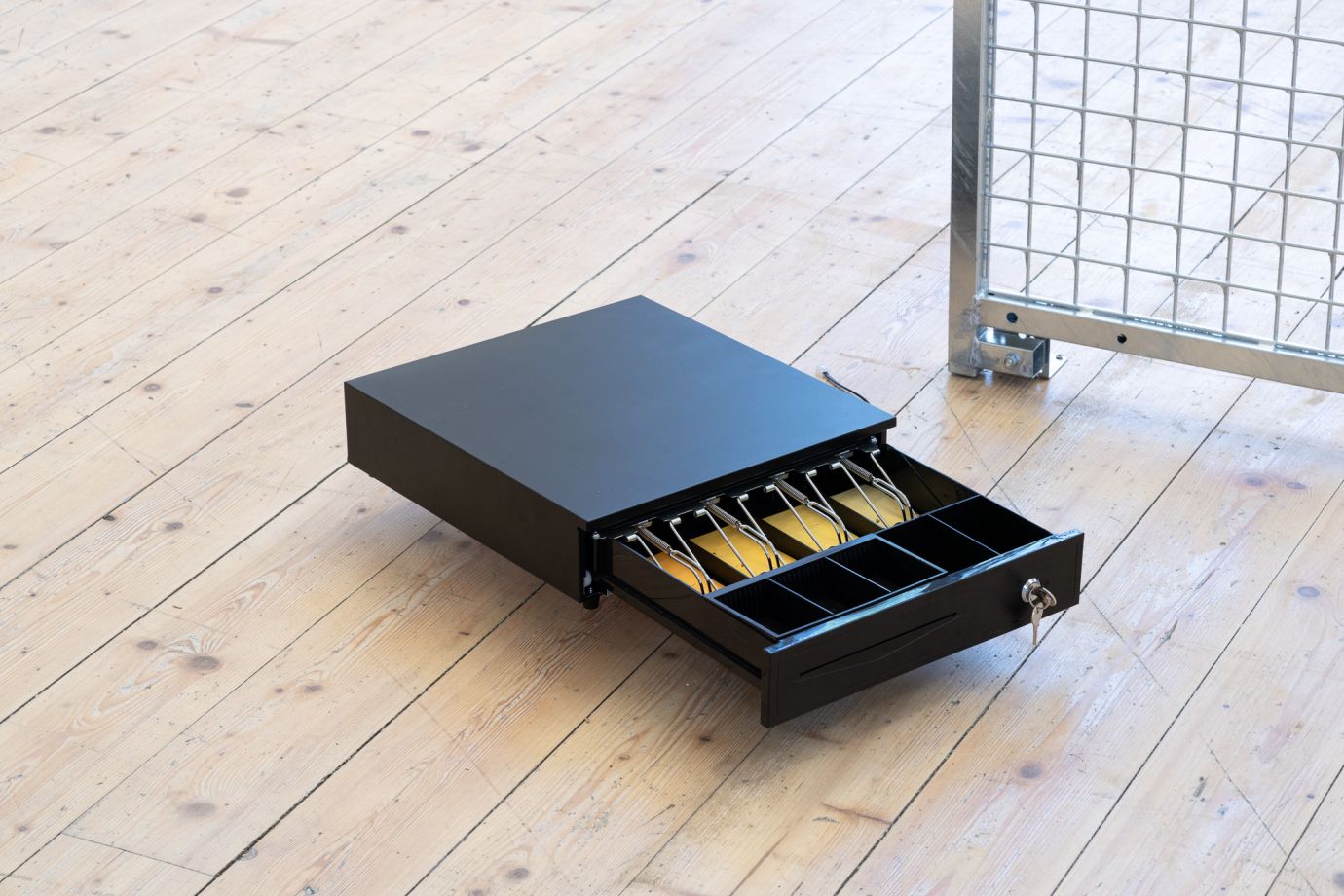
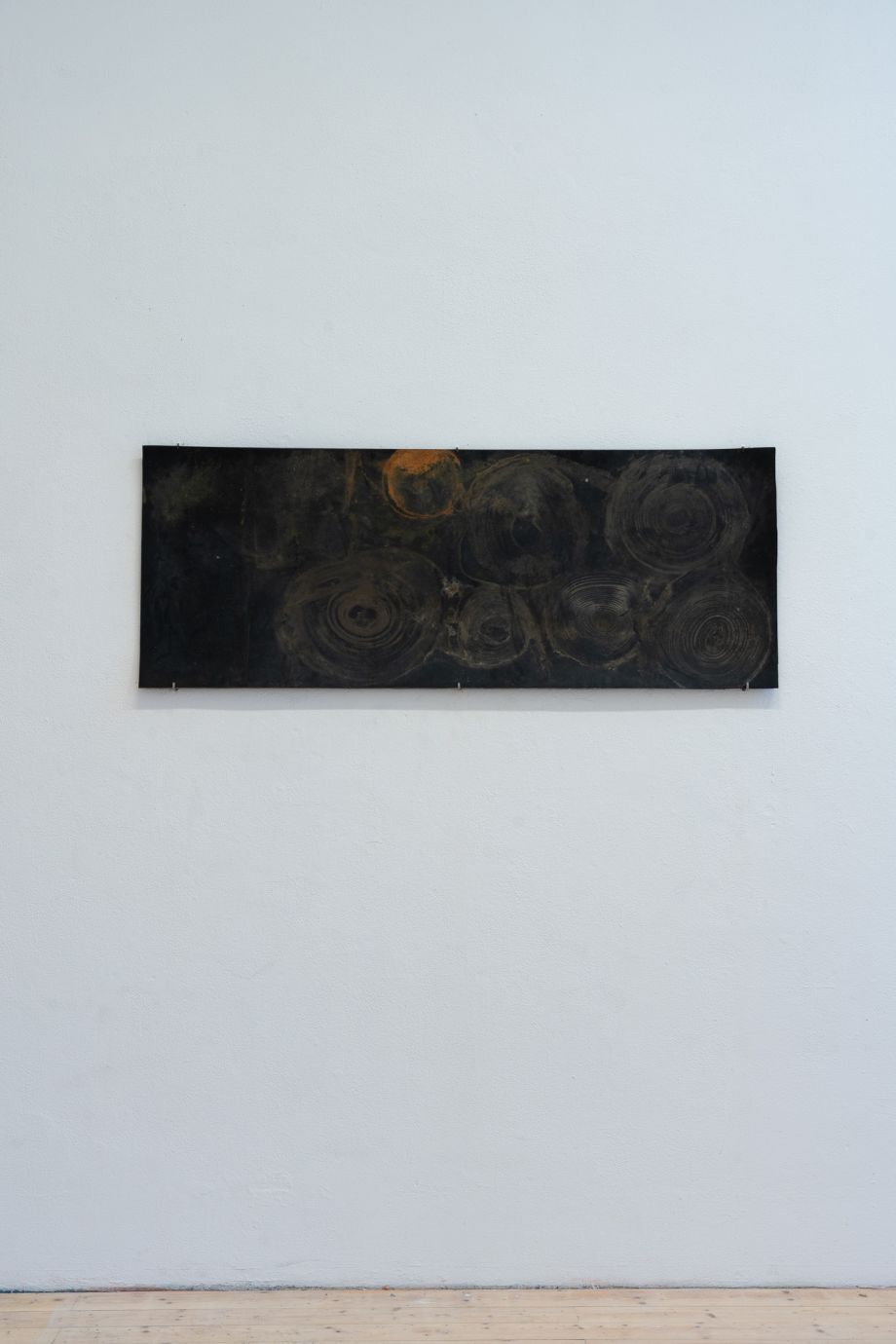
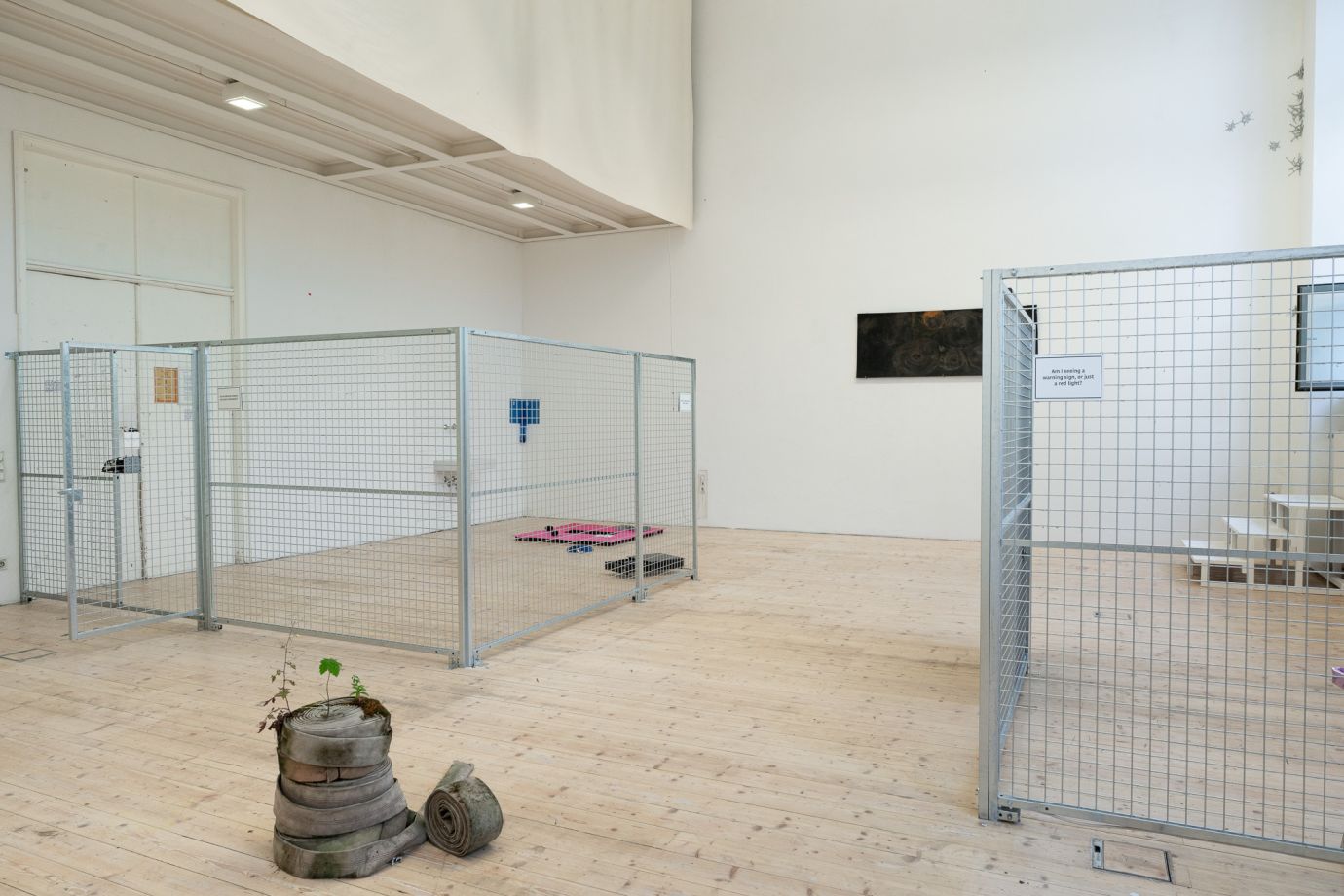
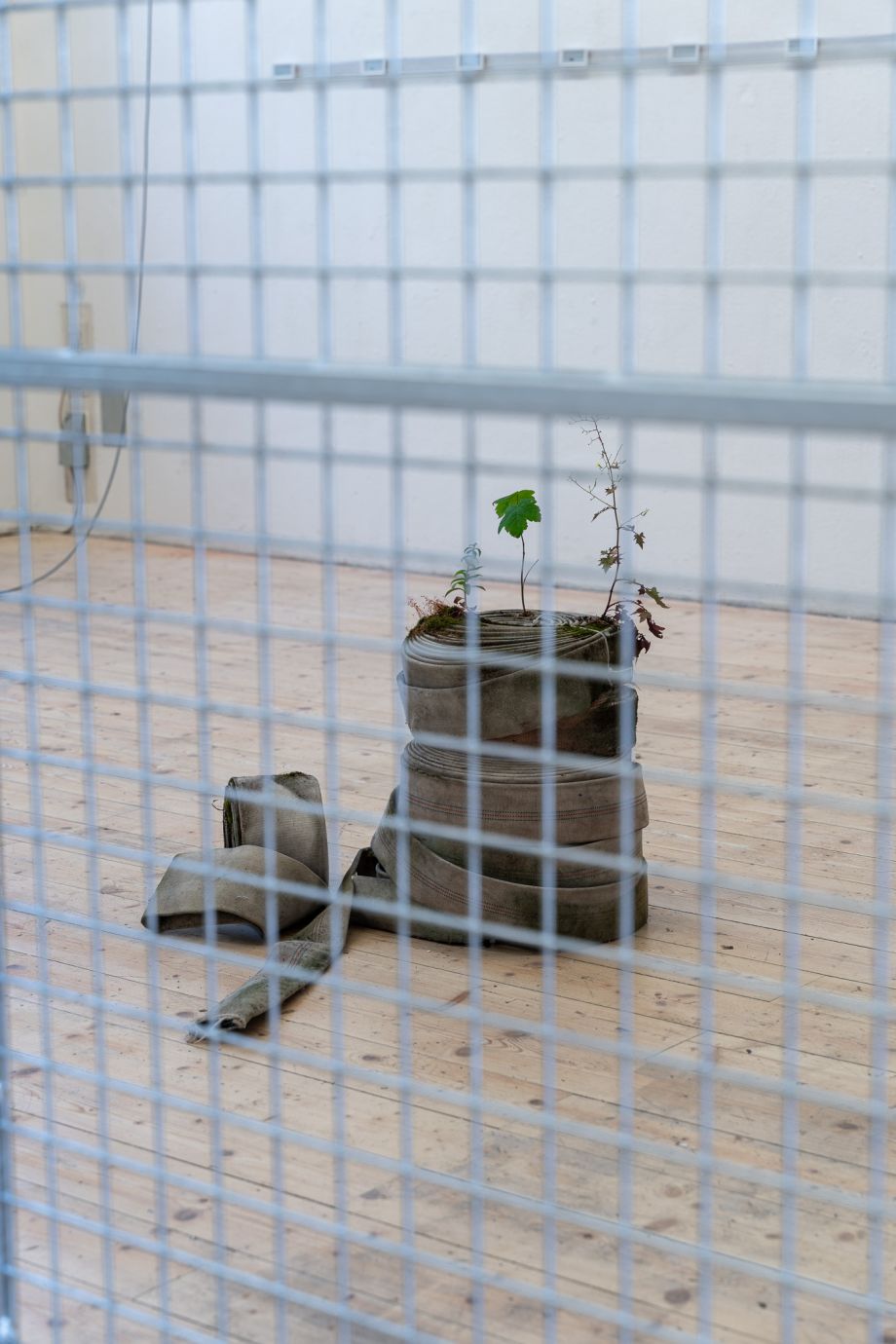
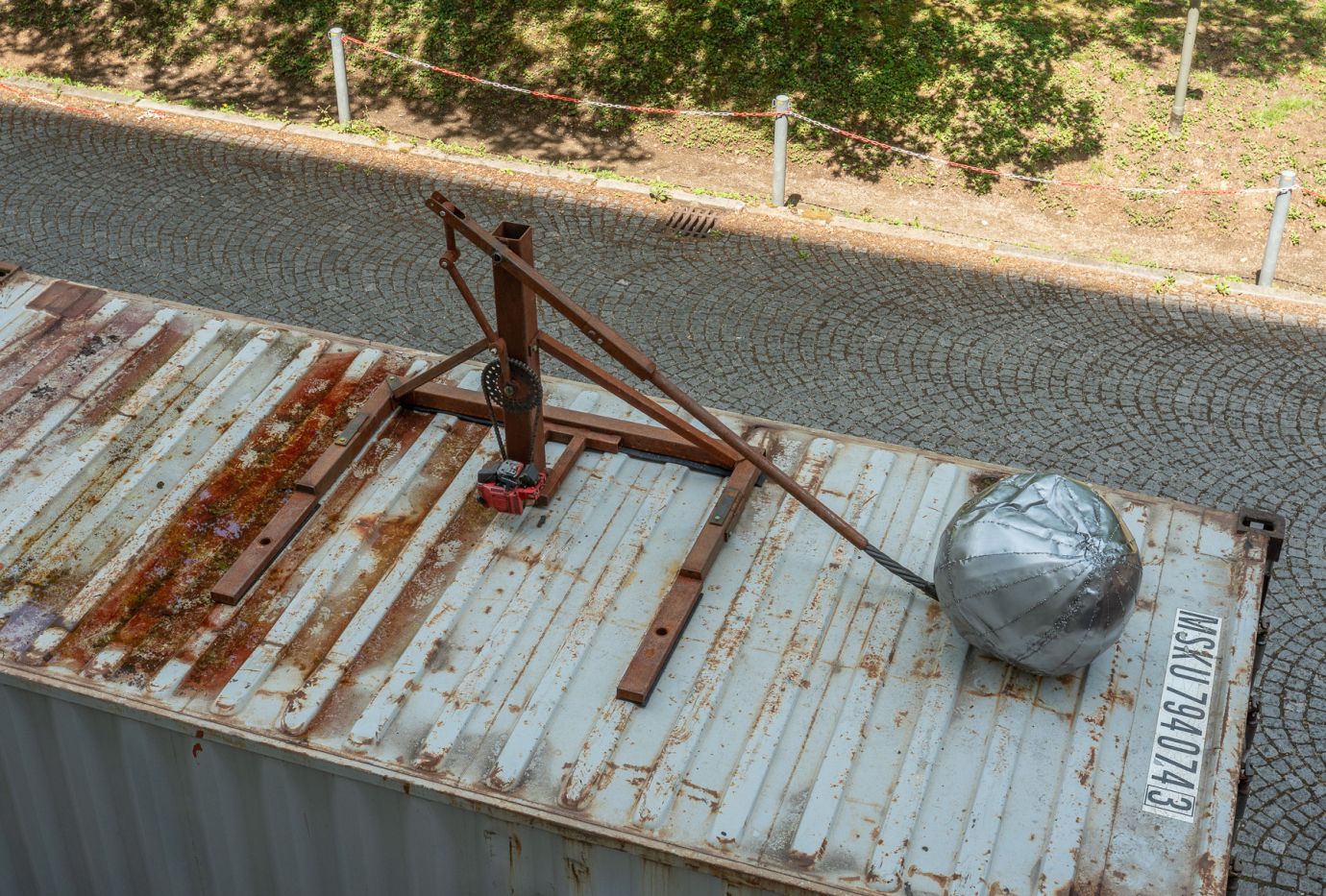
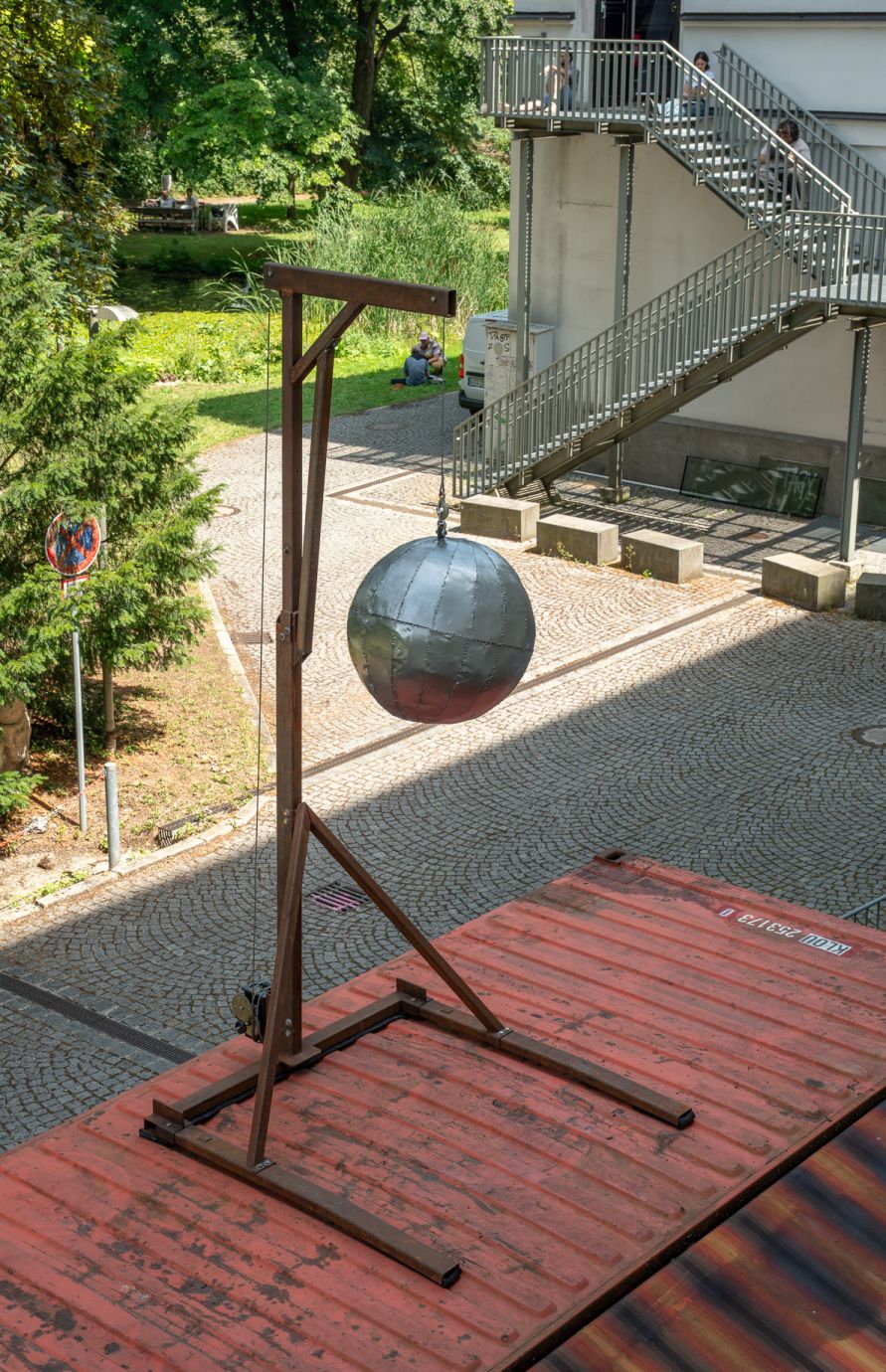
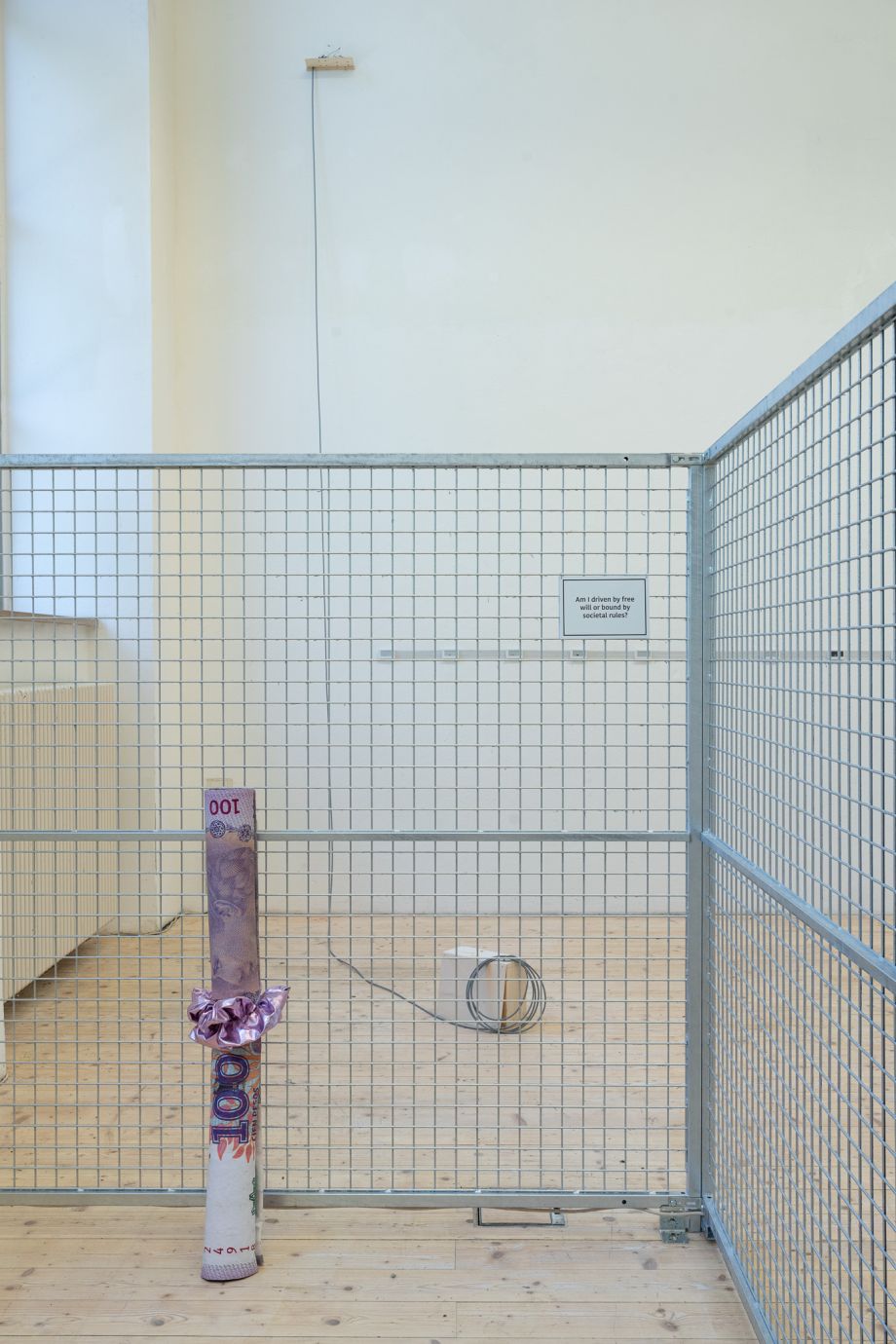
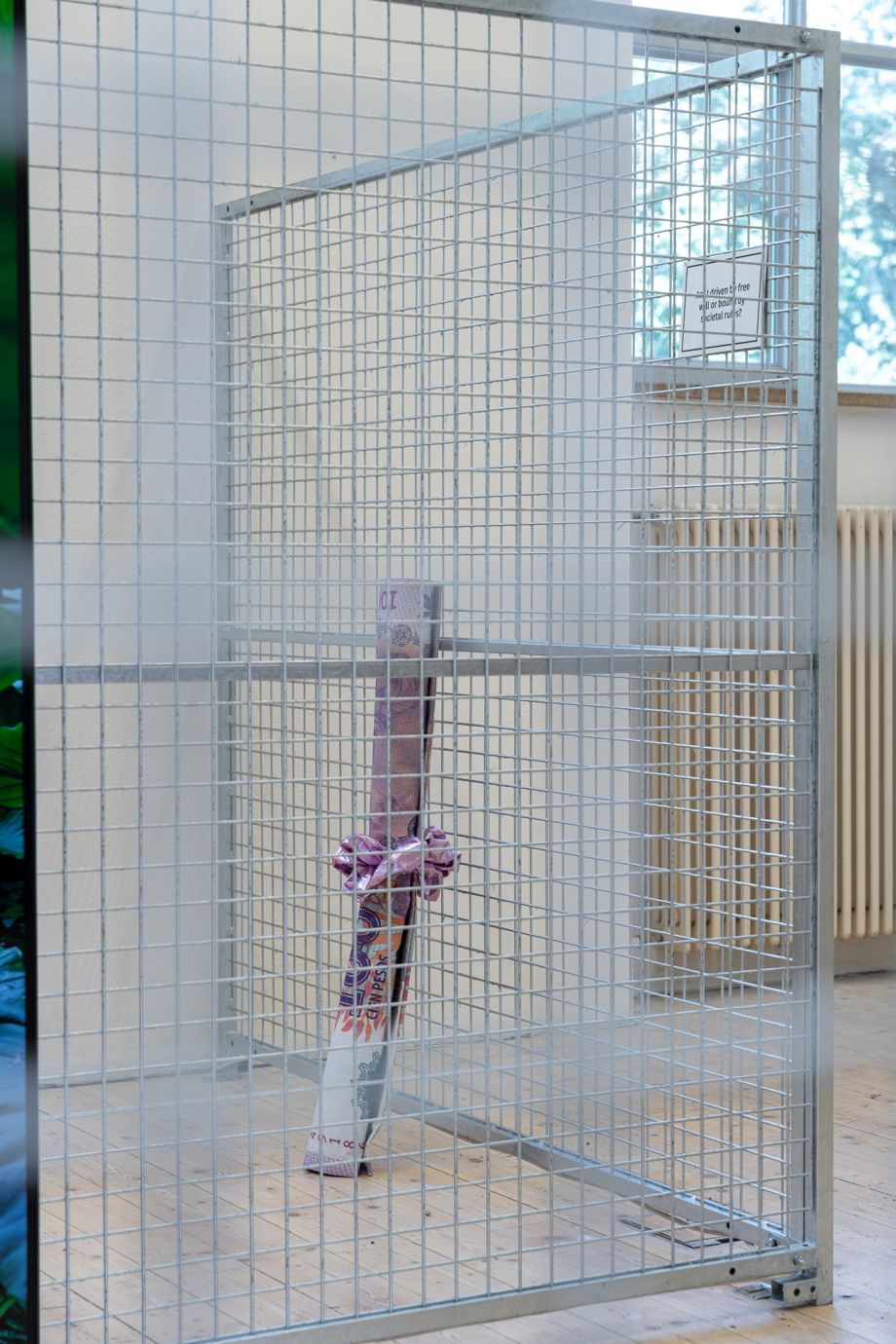
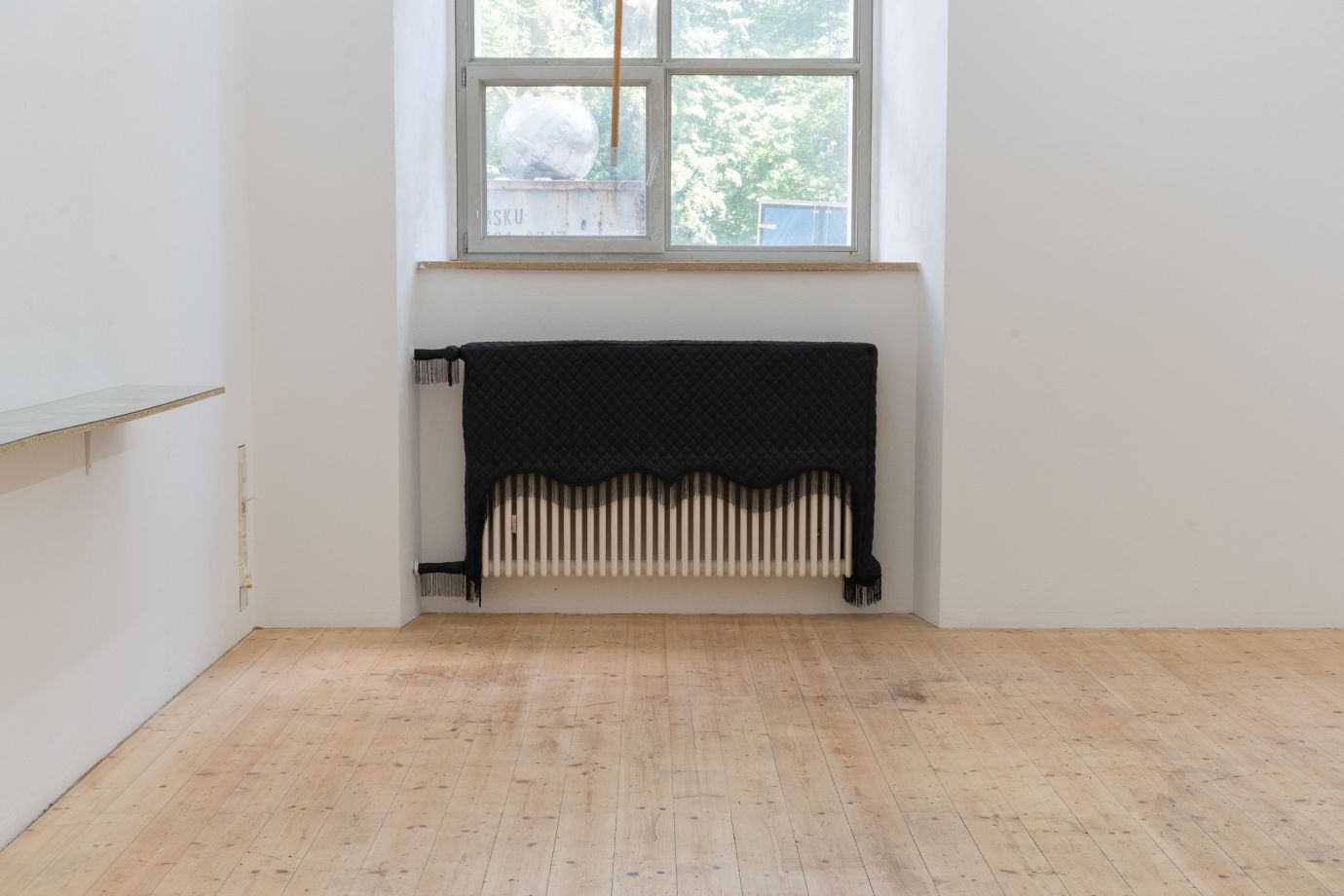
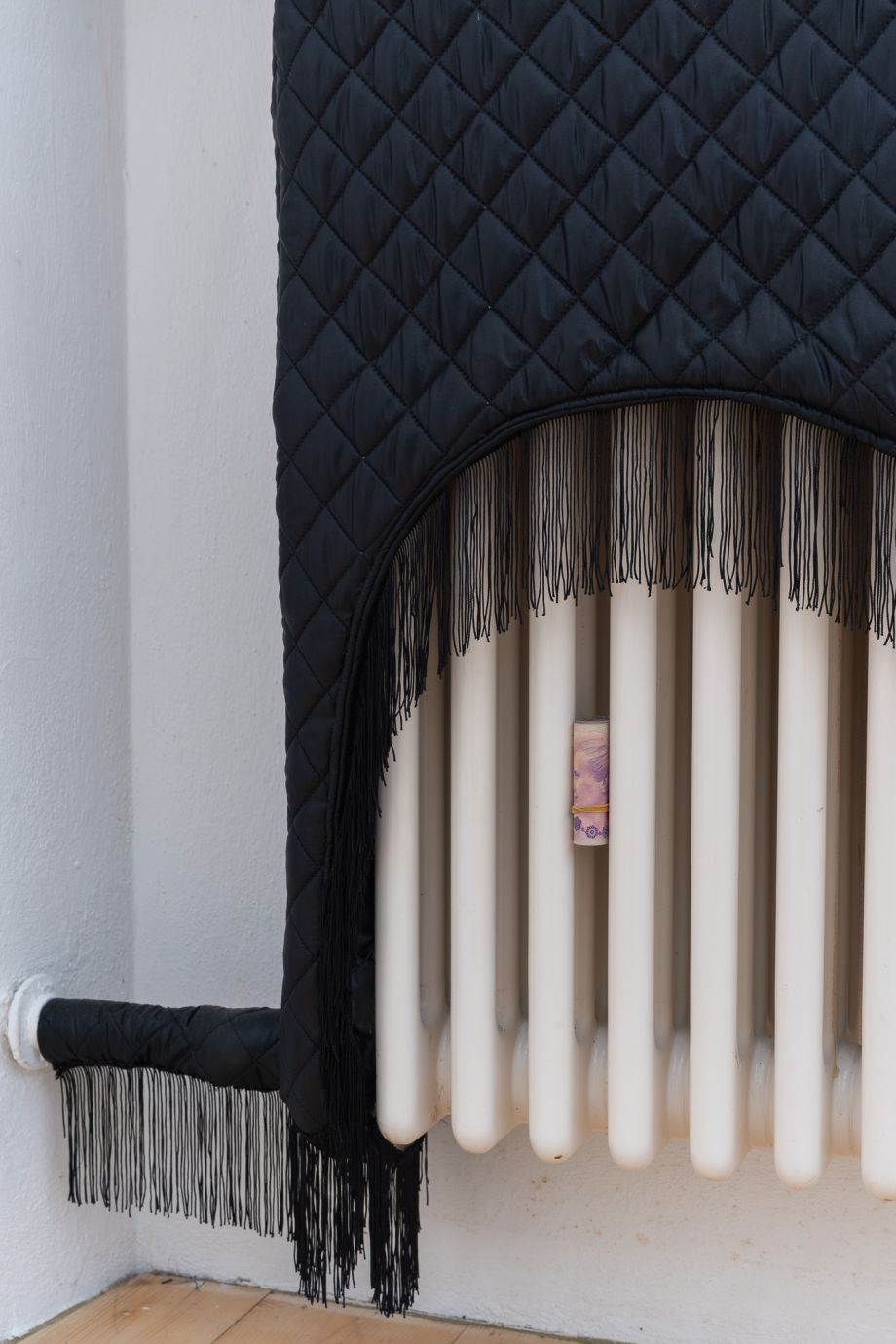

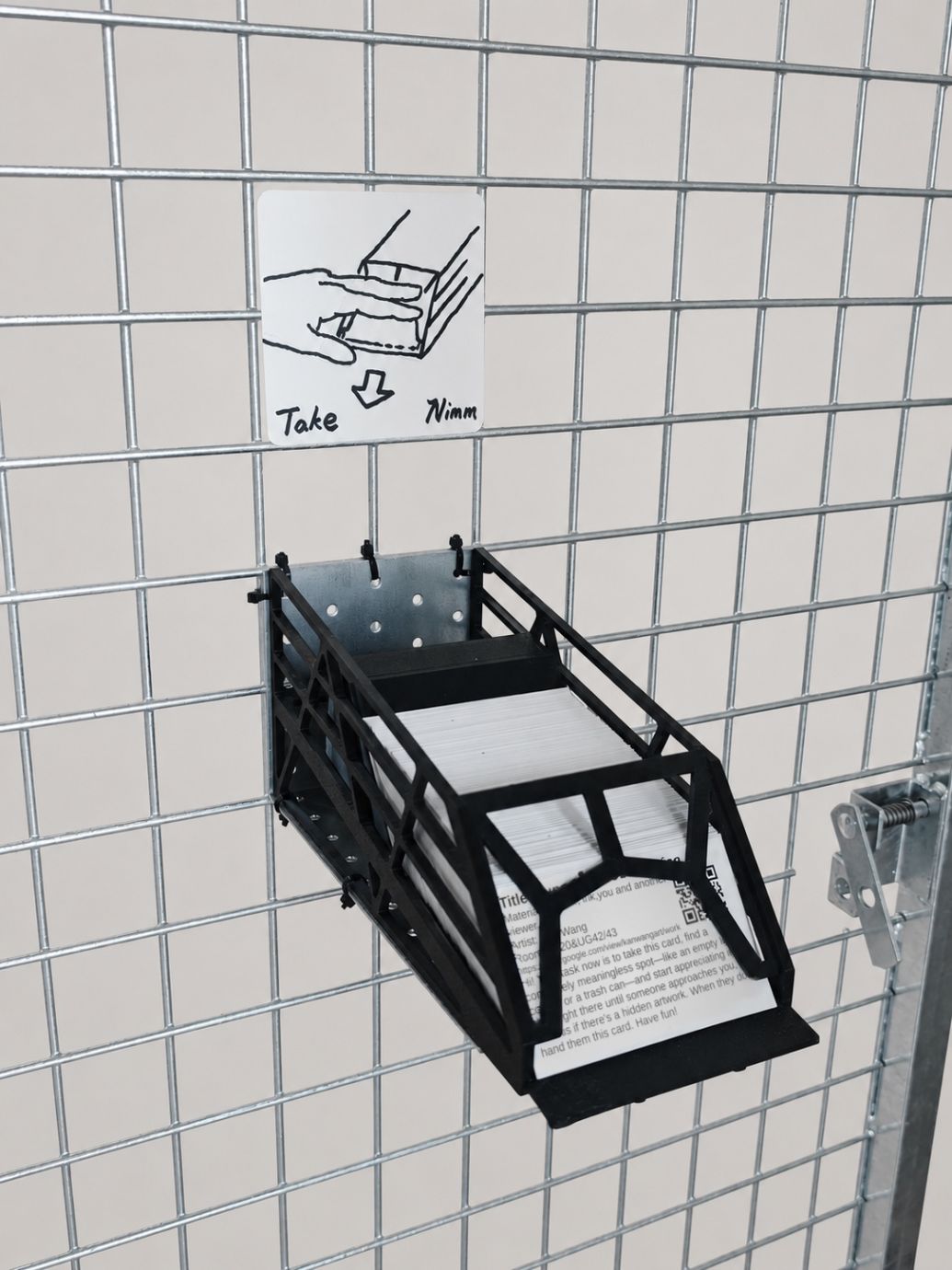
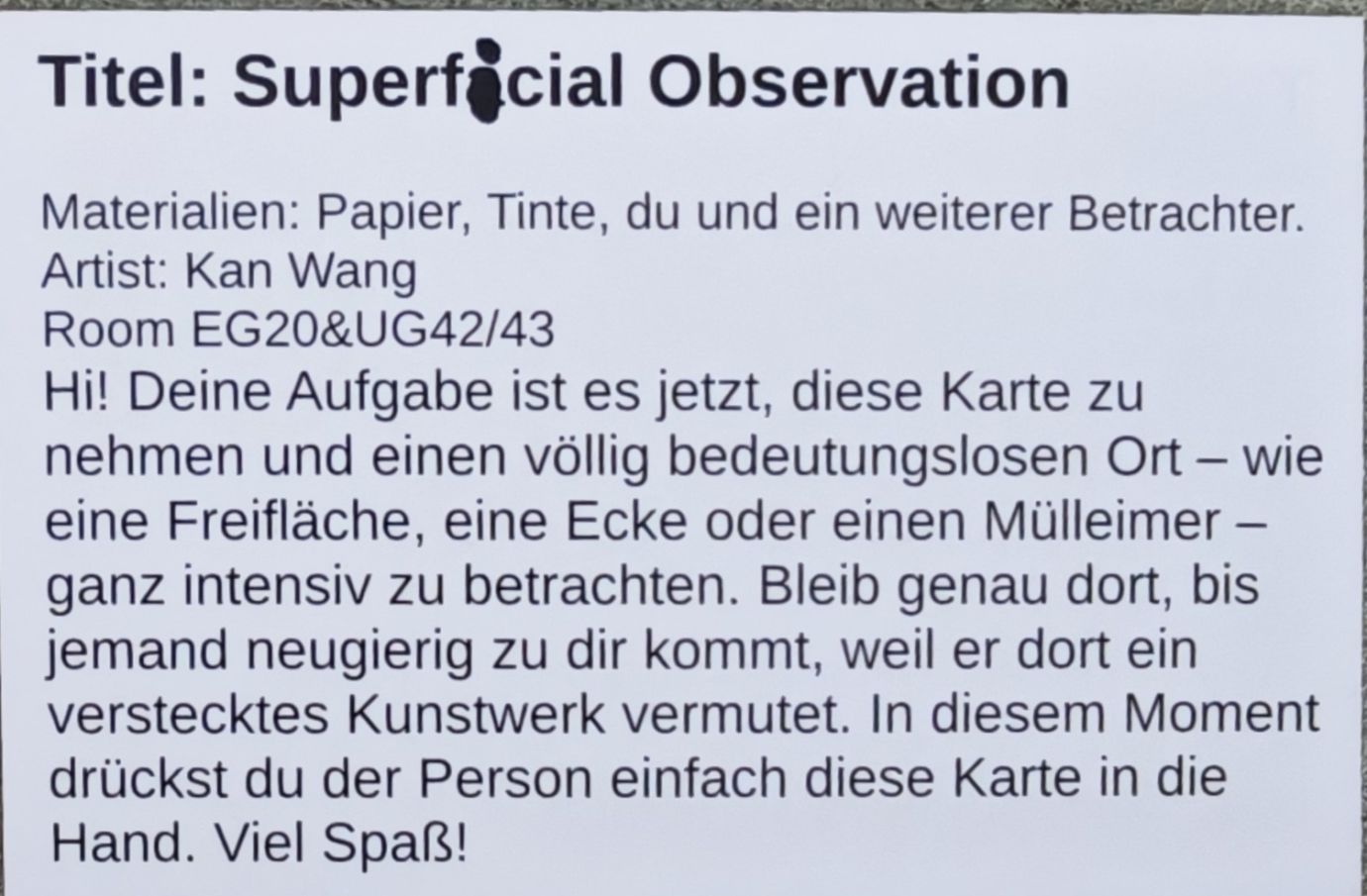
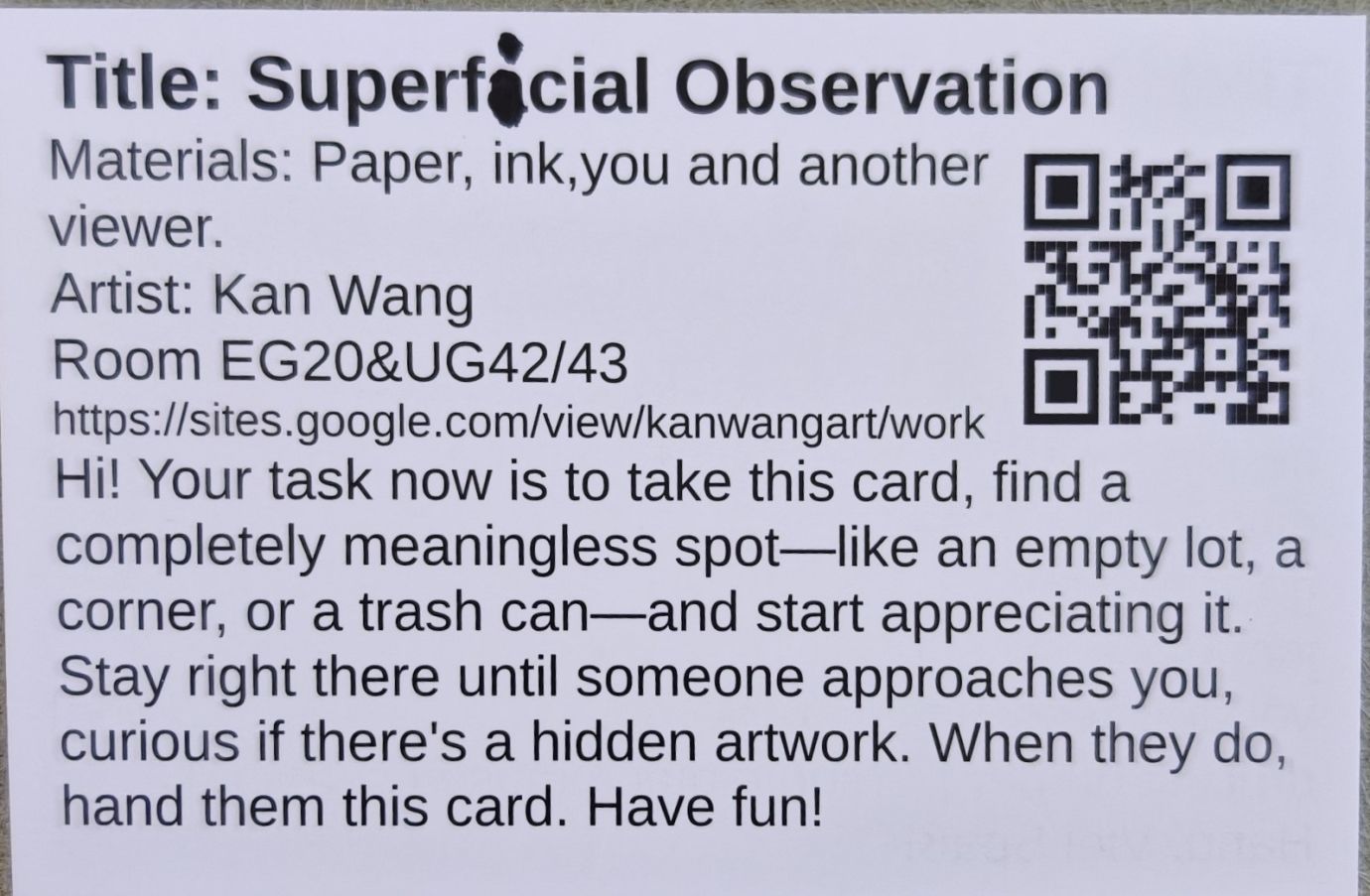
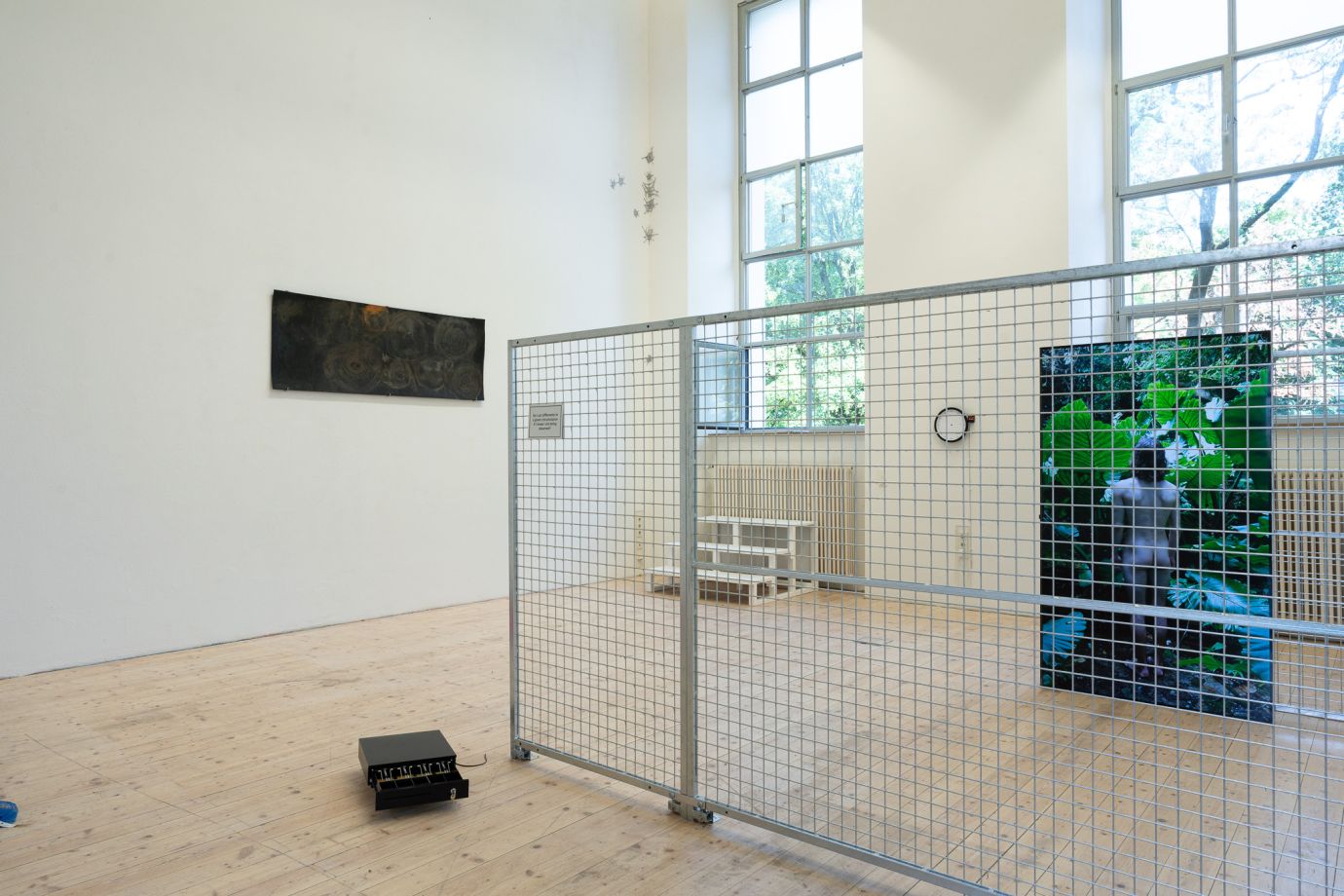
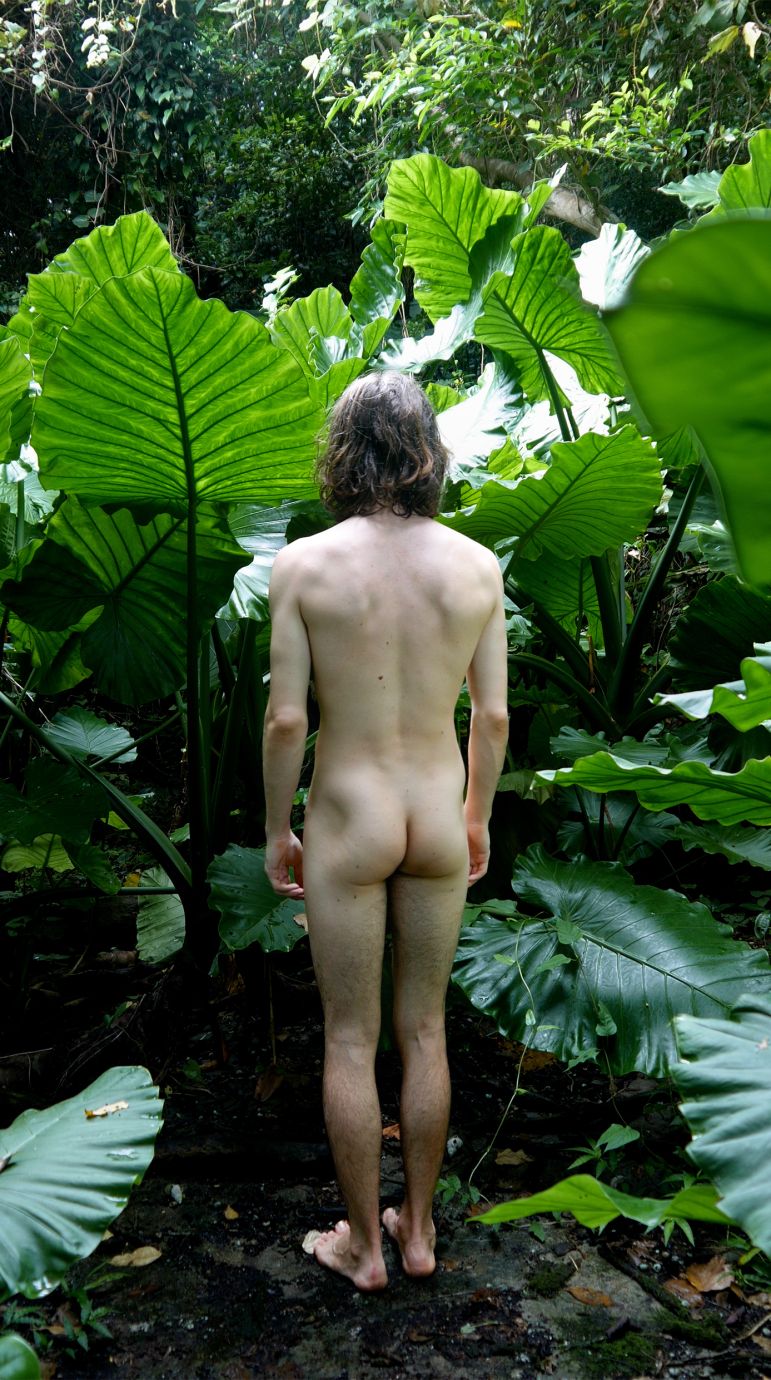
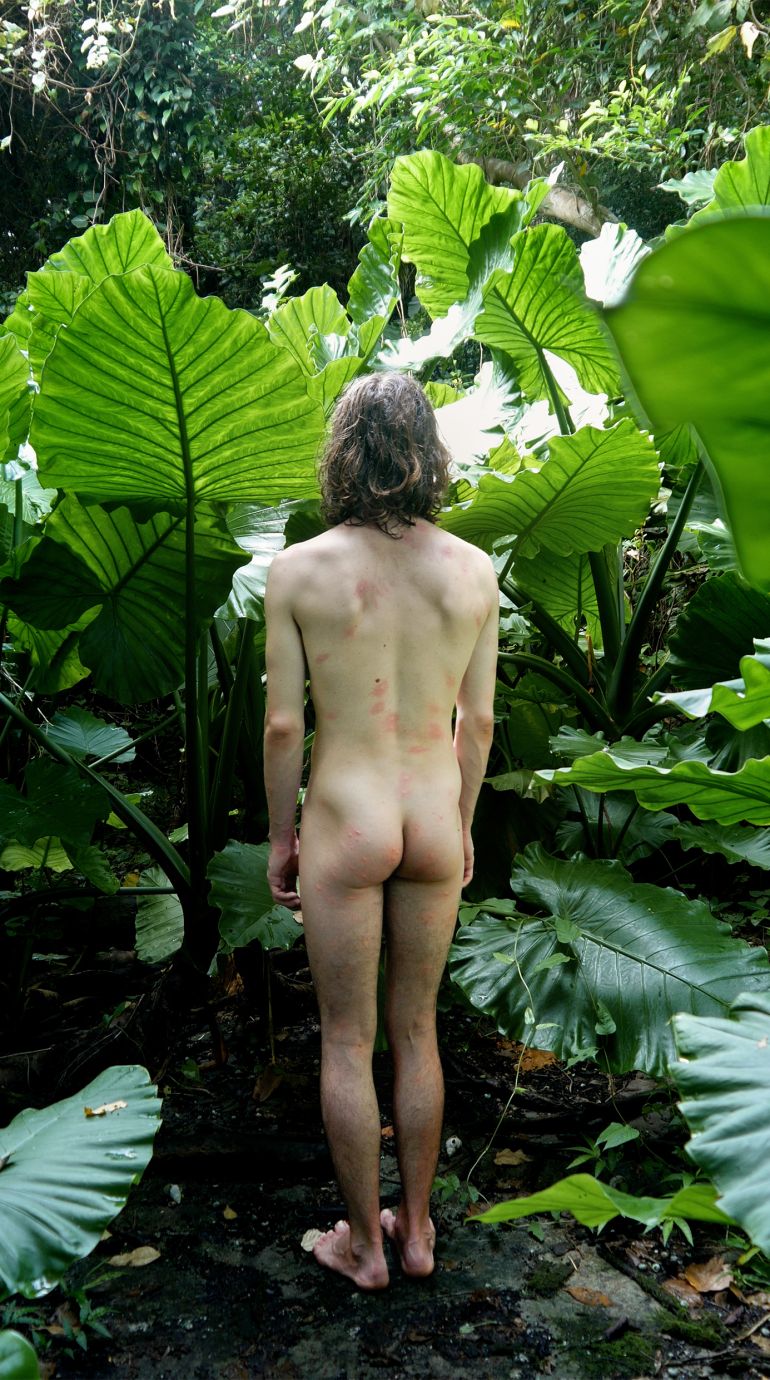
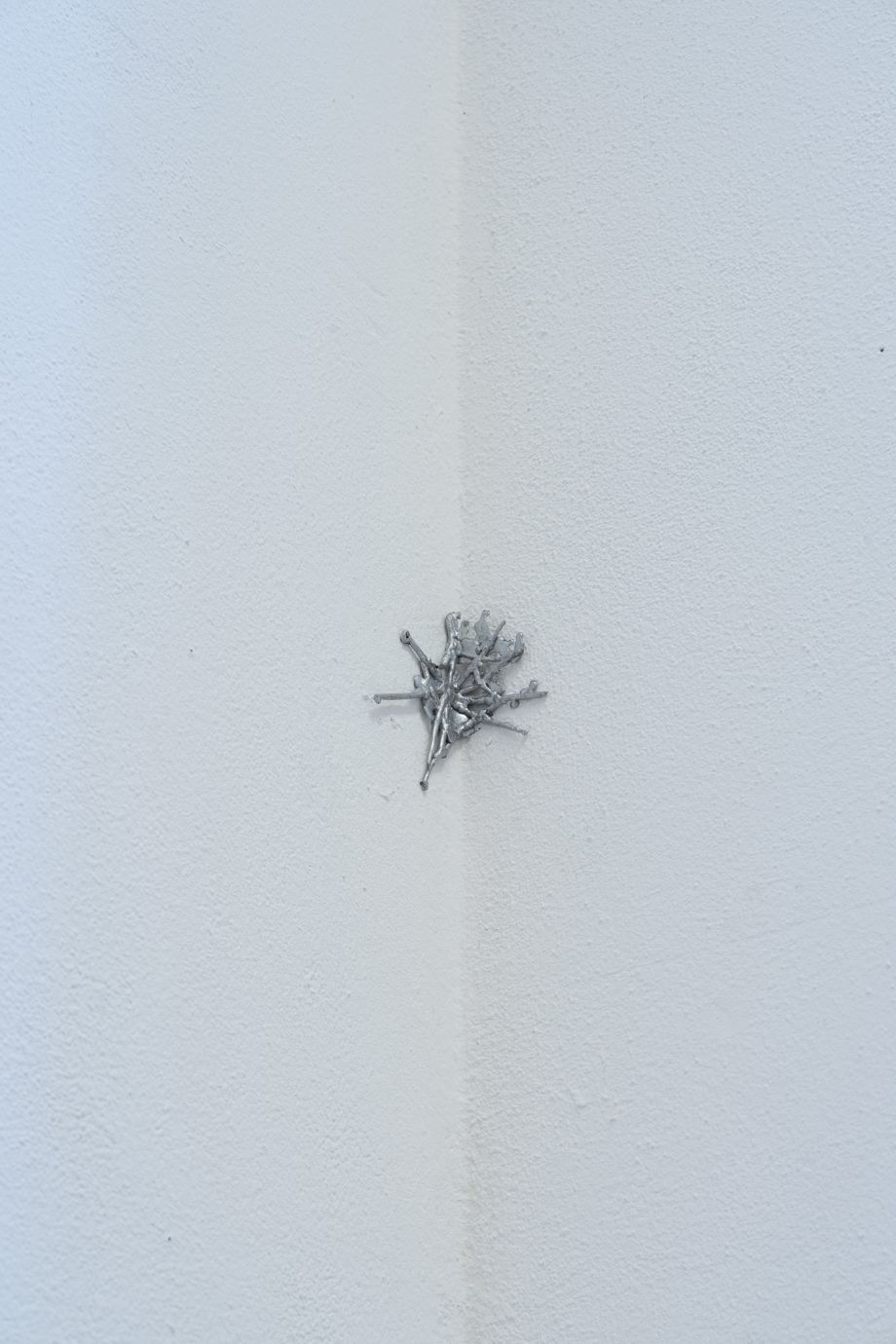
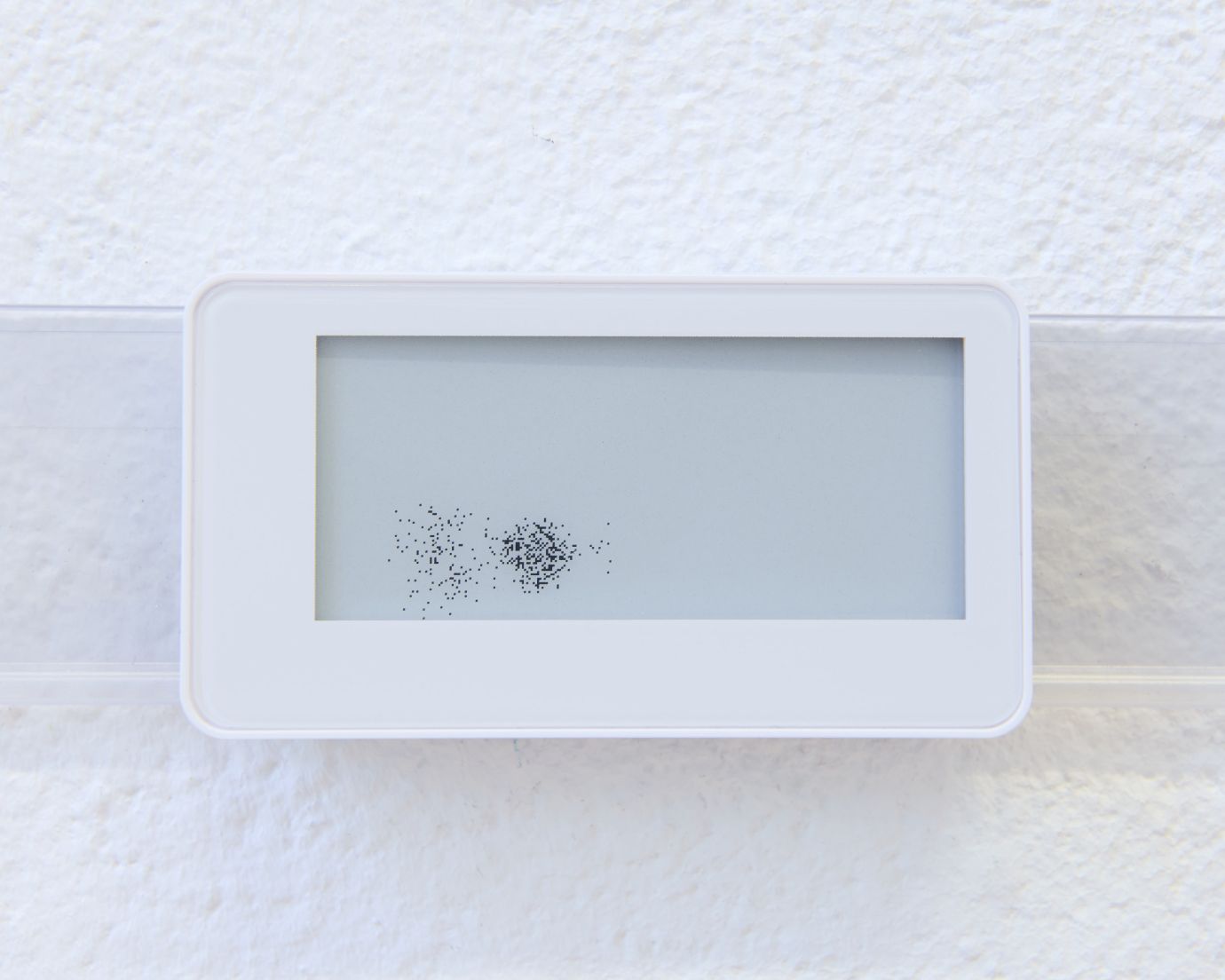

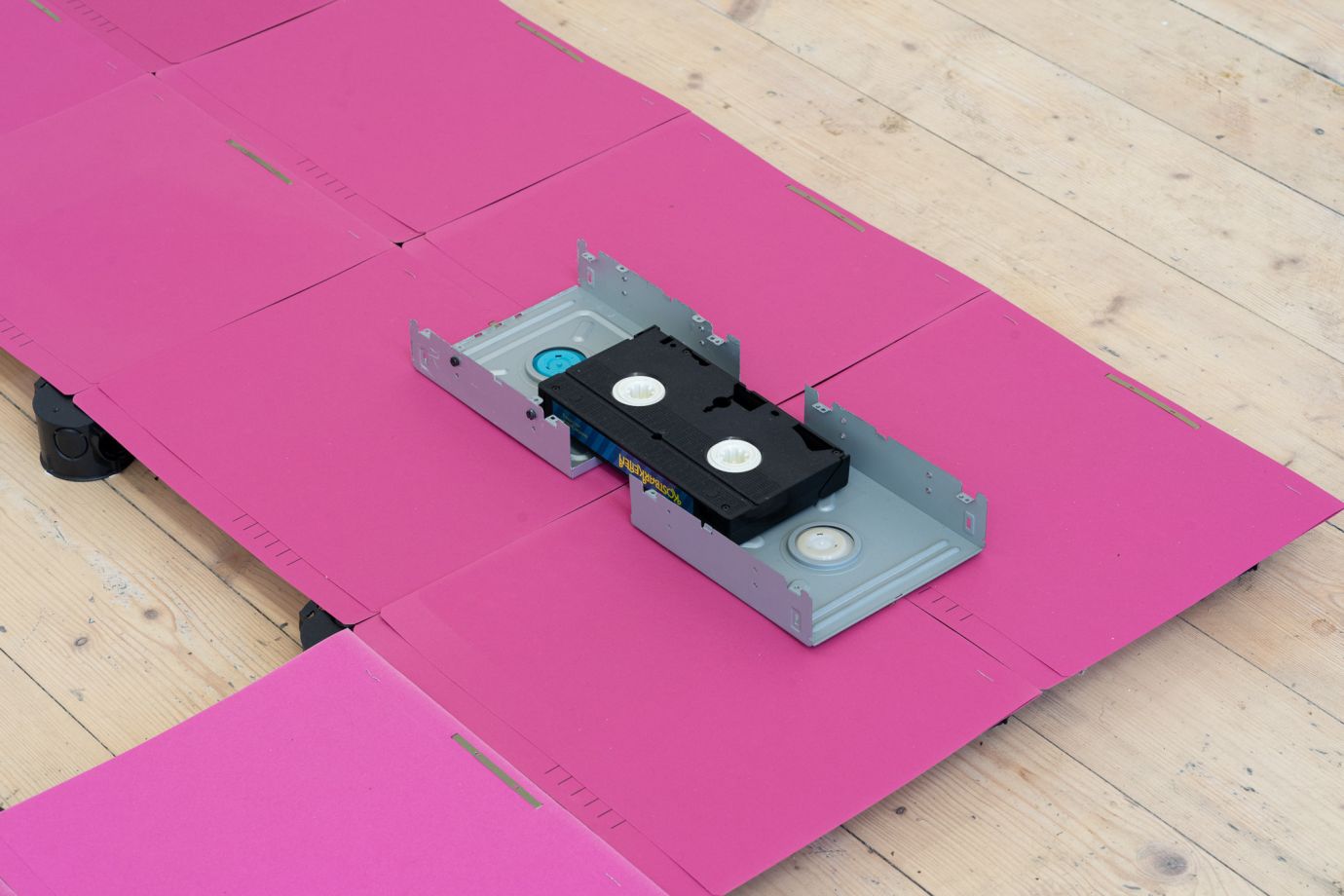
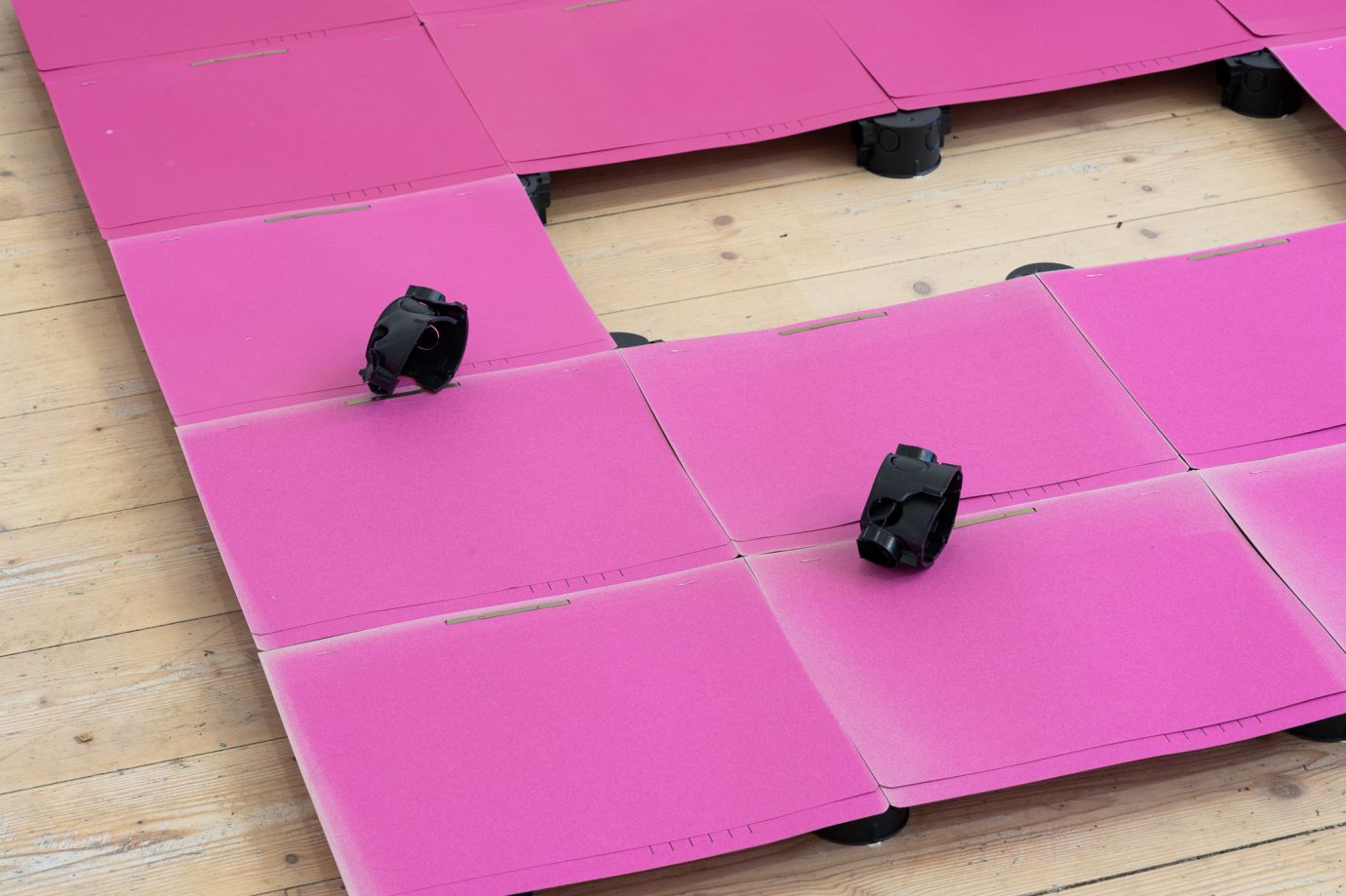
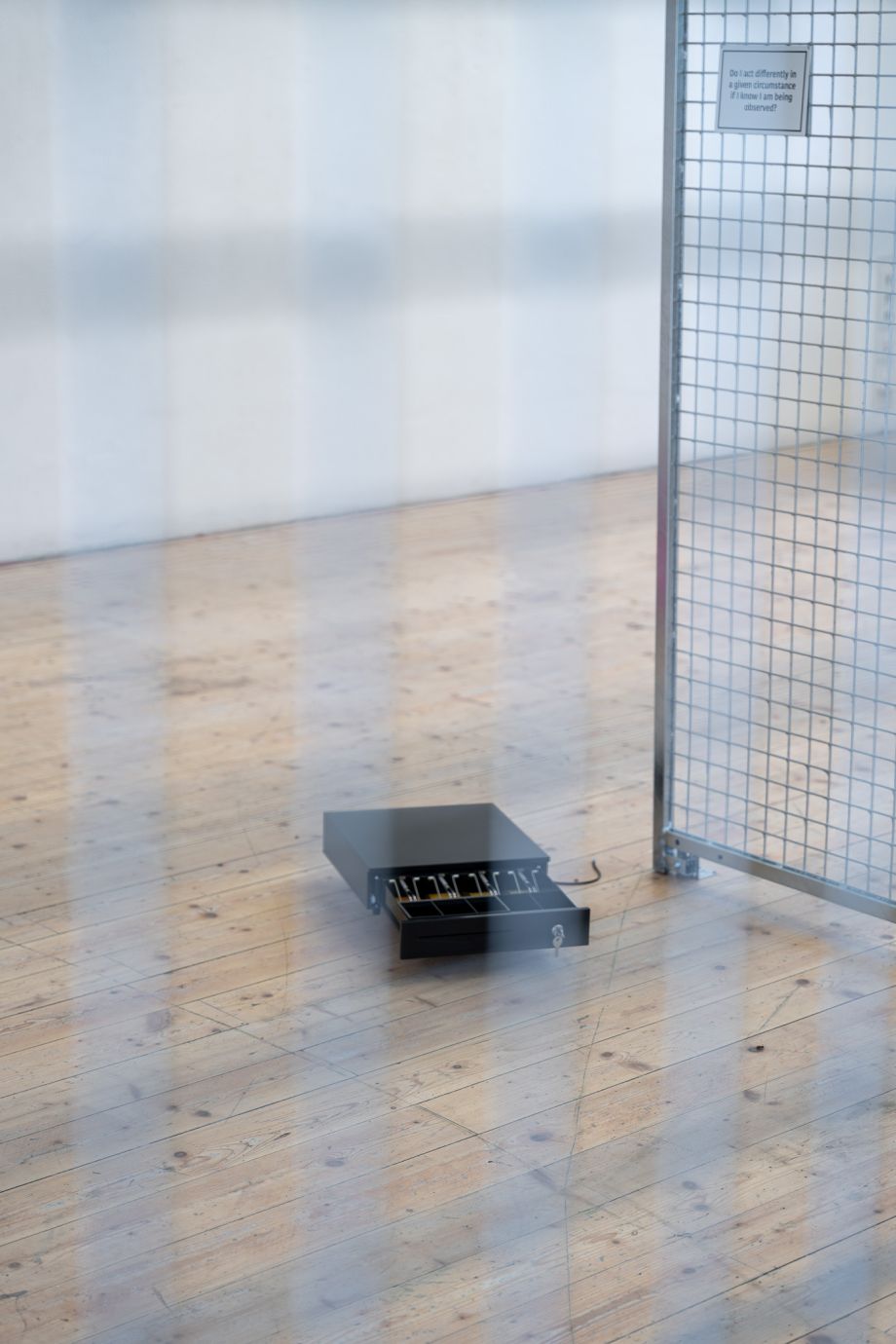
Behaviour is a notion only conceivable in collectivity. There is no such thing (or at least not one that deserves much of our attention) as abstract behaviour, nor behaviour as an isolated mental idea that does not concretely involve at least two individuals. In its most primal understanding, behaviour implies one individual who acts, and another one who is observing. In its most basic consequence, that individual´s action will impact someone else; the one observing, or else a third individual, and in every case will produce a change -even if small- to the existing order.
Whereas in every case, the practice of sculpture is an obvious result of some sort of behaviour, we would like to shed light on the possibility of it being not just a product of, but also a reflection on… And more importantly, in observing the behavioural aspect in practices and their resulting forms (forms which, then again, will always present their own sort of behaviour), we can begin to ask a series of circular questions that should loop us back to thinking about sculptural practice. We do not wish to close in on deep motivations (as the study of behavioural psychology would have it), but rather keep the questions open and ripe, and keep digging down into their potential.
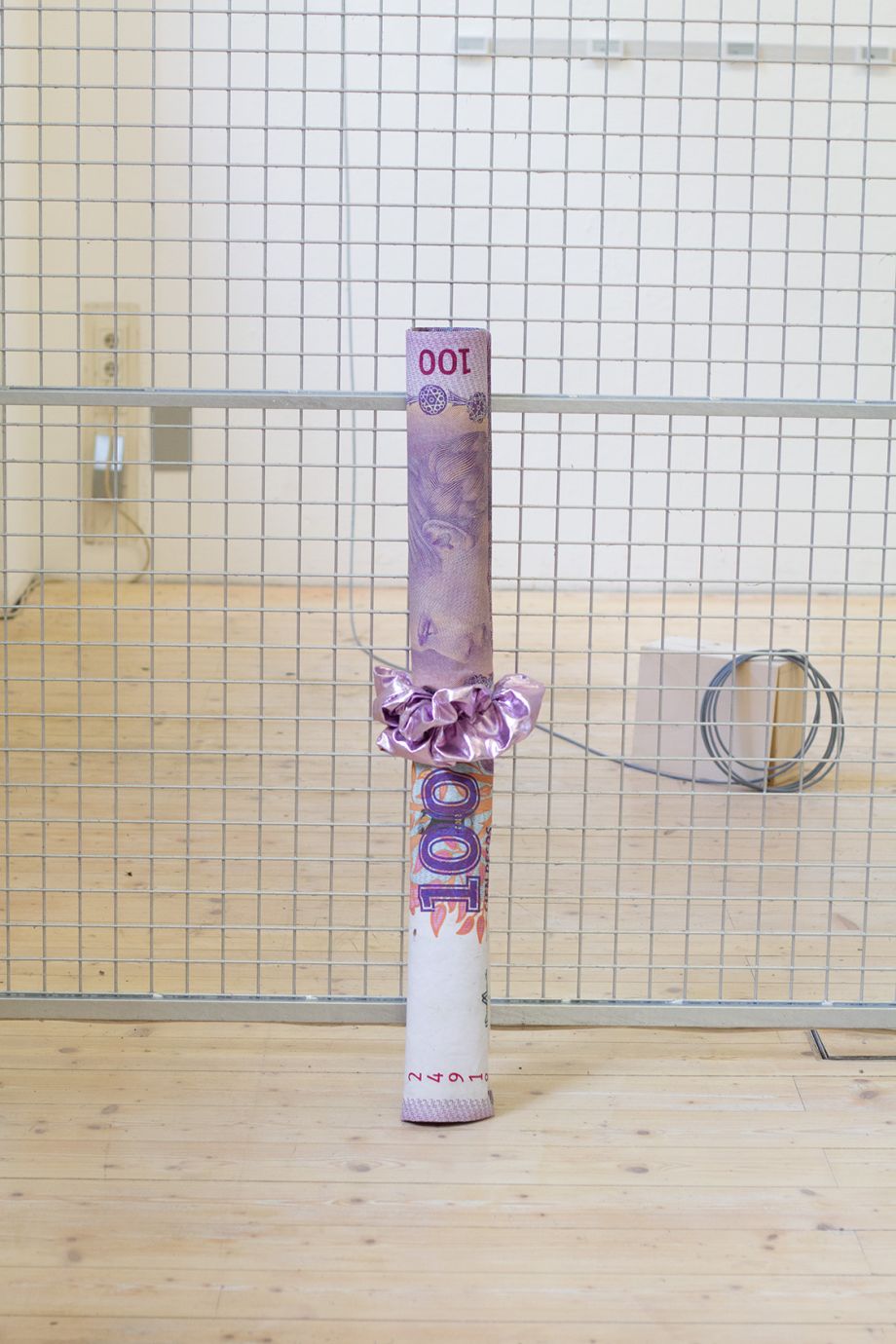
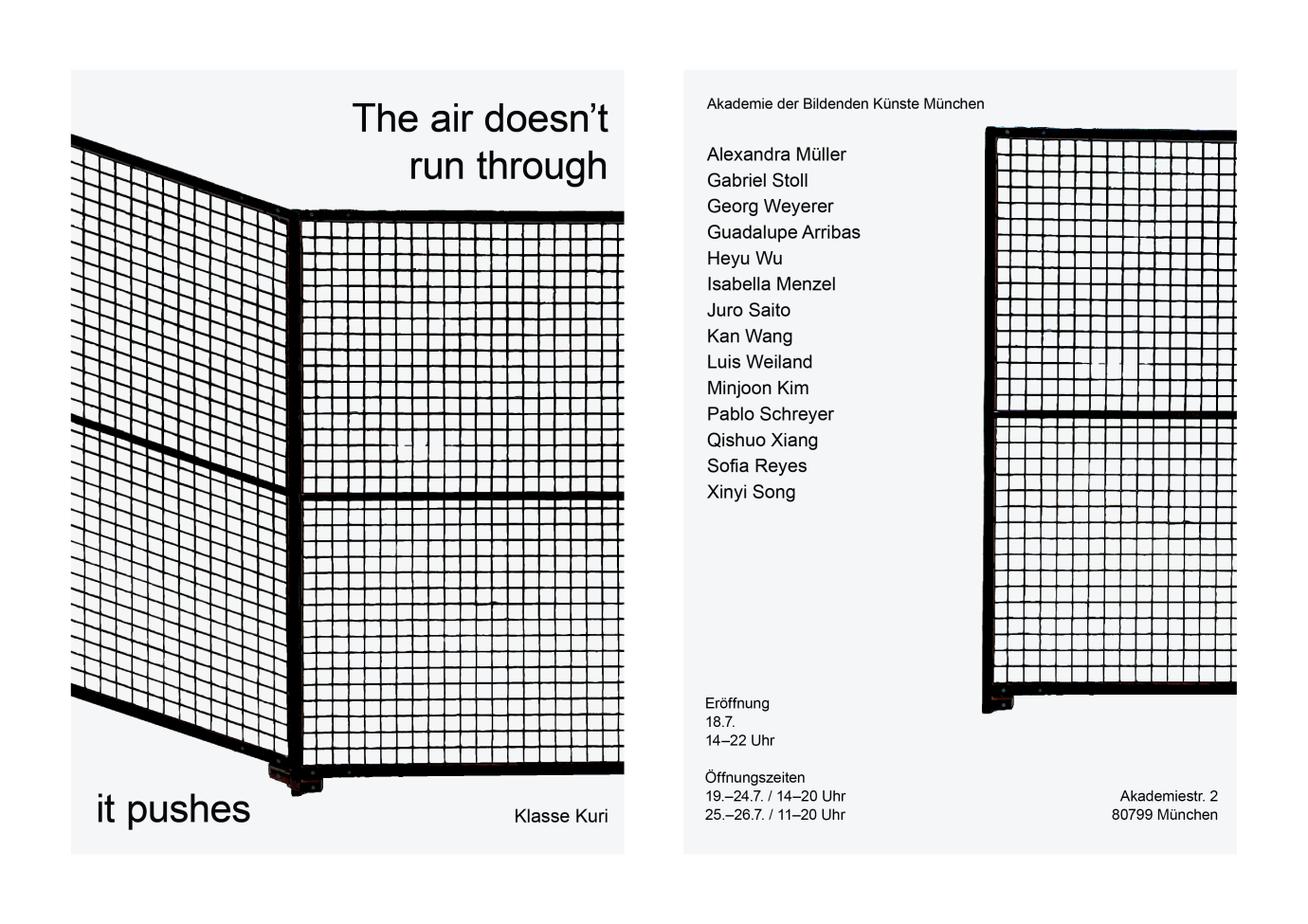
What do forms say about the way in which we make them? What is it that, by consequence, forms make us do? What can forms do in their own right? Is there ever a way to just loop back to where one starts? Can we keep making new sense in a repetitive act? Or in waiting for chance to strike? Or what about the simple and deliberate rethinking of a public act of unthinking? What could one actively unleash with 23 minutes of inaction? What changes when we acknowledge the agency of others? What if we look at these situations through the grid of an enclosure?
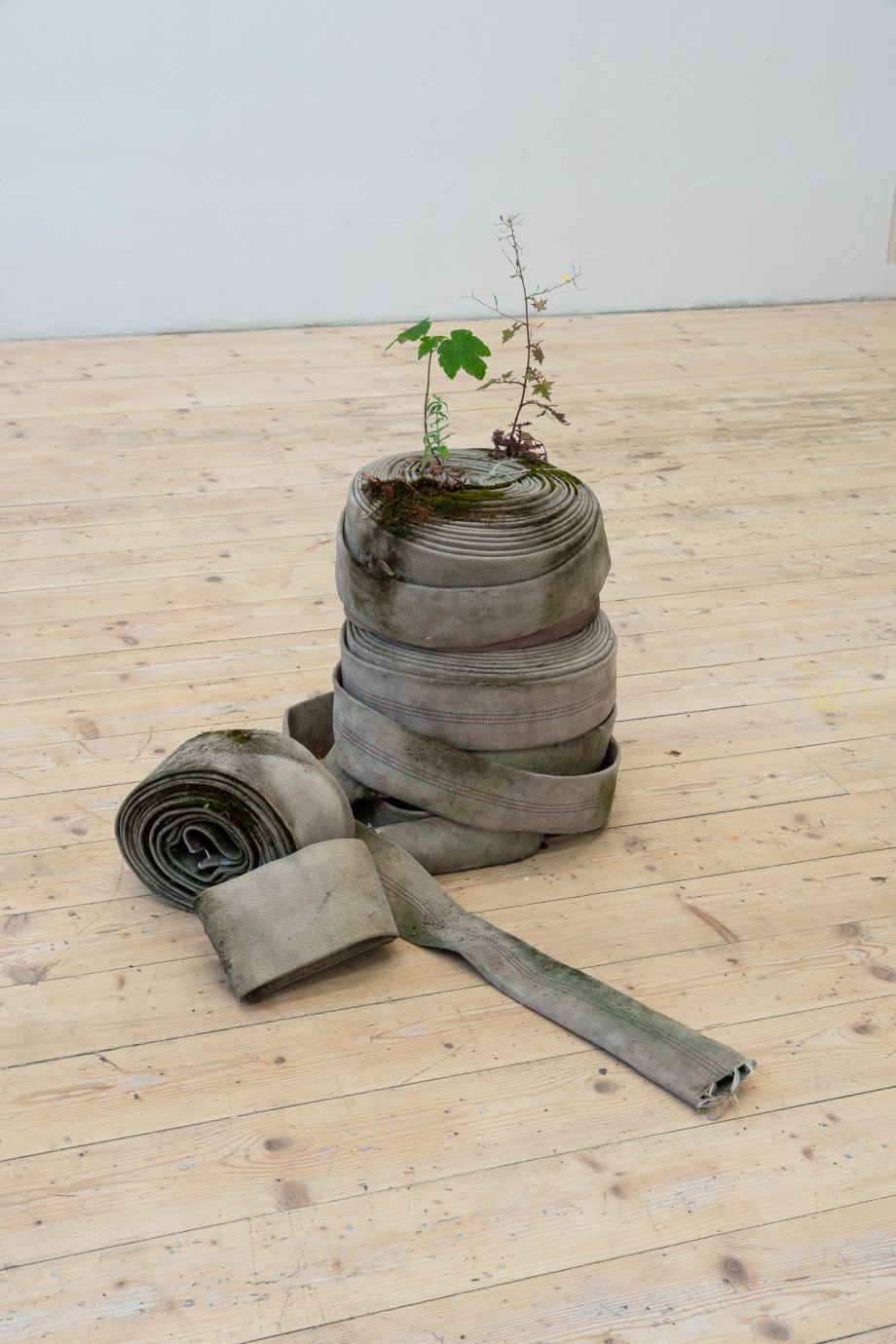
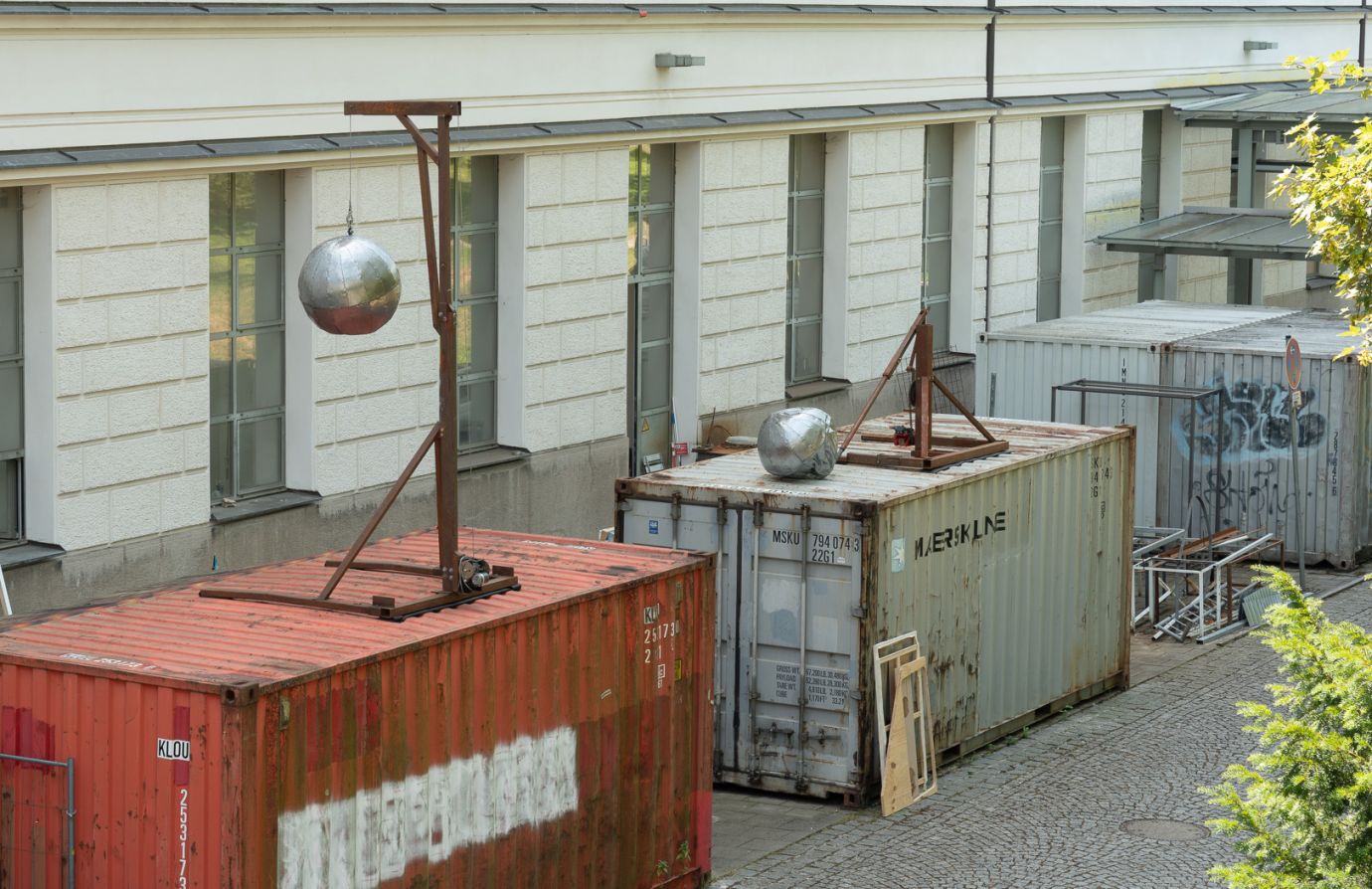
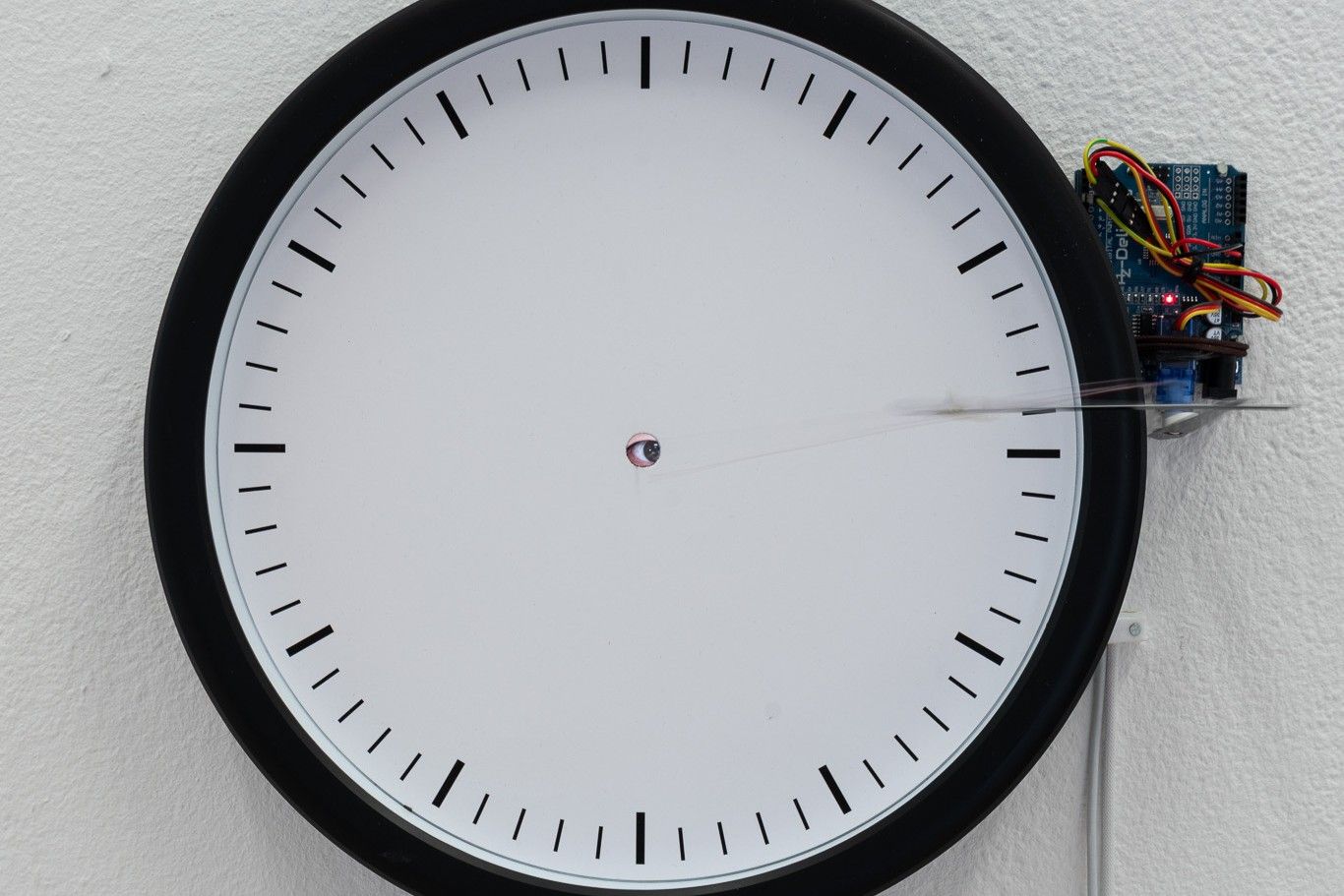
Any and all of these acts may be situated in time by a number of distinct clocks ticking, natural or human made; pulses beating inevitably towards disorder, or else prolonging standby modes in waiting for meaning to strike… and strike again. Following the beat of metal on metal, or slowing tempo right down, in synchrony with the sluggish growth of cobwebs or moss.
Asking these questions with distinct gestures, and with the way in which their resulting forms play on each other, pushing air and shifting temperature, is all about beginning to make up the making of of what we make.